There are certain risks that Israel must never take, even if that sometimes means saying a polite but firm no to Trump
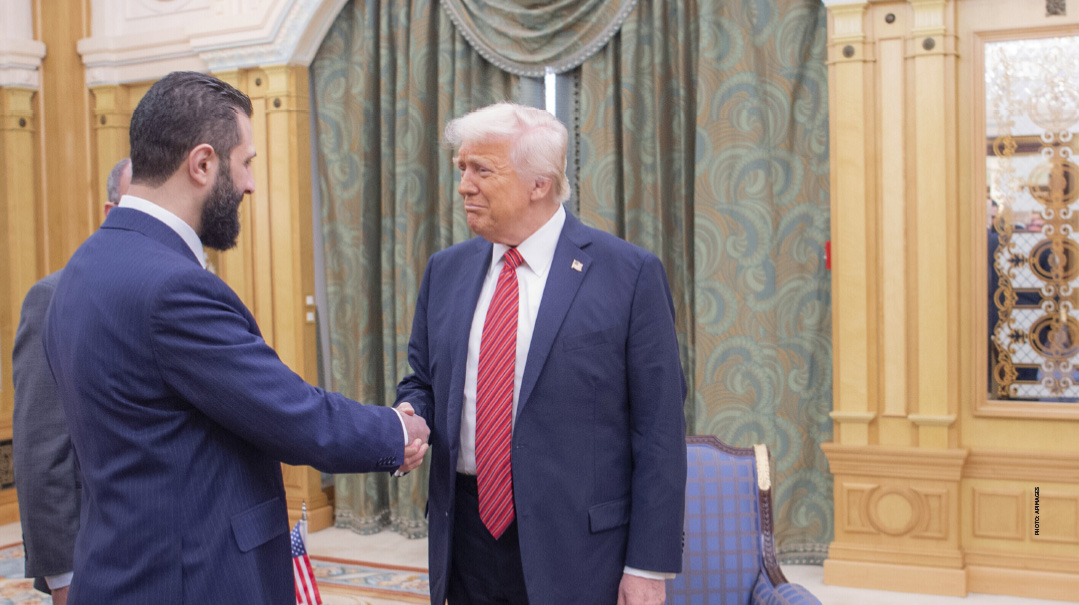
IFanyone believed that Israel’s proven military prowess in its seven-front war against enemies sworn to its destruction established it as the power to be reckoned with in the Middle East, they were mistaken.
In President Trump’s America, money speaks far louder than tanks and warplanes. Trump claims to have extracted about $2 trillion in investments and purchases from Saudi Arabia, Qatar, and the UAE during his four-day regional swing. However, when you do the math based on the White House press releases regarding specific deals, the figure is closer to $700 billion, which includes deals already in progress and non-binding memoranda of understanding. Even if the $2 trillion figure were accurate, that sum represents a small percentage of America’s $30 trillion annual economy.
Numerous red flags are flapping in the wind. Formulating the foreign policy of the world’s greatest superpower solely on the basis of transactional business arrangements is a gamble.
The proposed $142 billion arms and defense deal with Saudi Arabia exceeds the $130 billion that the US has provided to Israel over its 77 years of statehood. While Saudi Arabia has rivals, it is not surrounded by hostile nations on all sides as Israel is. Qatar, which has spent tens of billions undermining Western values and buying influence in US power centers, will receive $42 billion in defense aid. Concerns have arisen that advanced AI chips, which CEOs of American high-tech companies agreed to sell to Saudi Arabia and the UAE during this trip, could end up in China’s hands.
Create a free account to keep reading.