The Hatzalah psychotrauma unit:“Essentially, our first encounter is with people in shock”
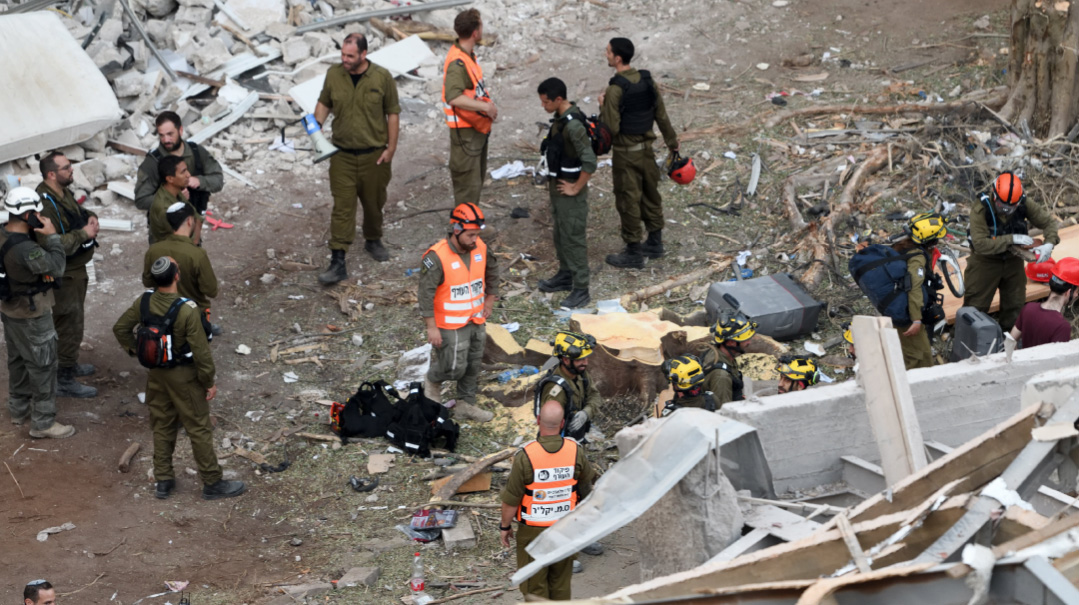
We’ve all seen the horrifying images of utter devastation after an Iranian missile attack. Entire buildings wrecked, roofs and walls collapsed, outer facings of apartment complexed ripped away. And if you live in Israel, once you emerge from your secure space with the all-clear signal after hearing the too-close-for-comfort blasts and realize your home is actually in one piece, you breathe a grateful, almost desperate sigh of relief. “Thank G-d it wasn’t my house. I could never cope with such a catastrophe.”
But thousands of Israelis haven’t had that luxury. Over 10,000 are currently homeless, forced to leave their destroyed or damaged homes and living in hotels arranged by their local municipalities. And while there have been 24 deaths and several dozen casualties in moderate to serious condition, the numbers are nature-defying — every one of those sites logically should have been a mass-casualty event.
Yet when those thousands over the past week miraculously staggered out of the rubble dazed yet unscathed, they looked behind them only to see their entire material world crumbled, blasted apart within seconds by a ballistic missile. How do people have the emotional capacity to put one foot in front of the other and move on to the next stage, to the next day, after such devastation?
“All of us have untapped reserves of resilience,” says Uriel Belams, a longtime Hatzalah member and care provider with the organization’s psychotrauma unit, which affords psychological first aid in the initial minutes following an attack or traumatic event. “The greatest service we can provide at this time is helping the survivors to access them.”
Create a free account to keep reading.