A trip back to a Polish village digs up a miracle story of hope and bravery against all odds
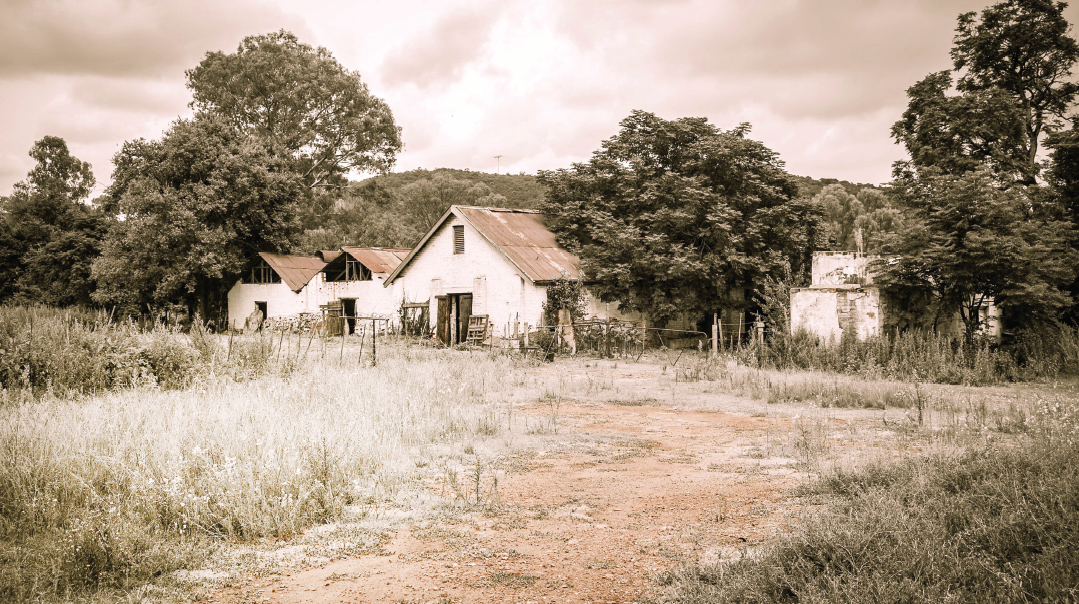
“It all began when my bike broke and I brought it in to Opoczno to get it repaired,” Stanislaw begins. “A man I didn’t know came up to me and asked me if I needed my bike fixed, and then started asking me questions…”
Hashem arranged for this unlikely meeting to take place between Stanislaw and this man — my father had told us his name was Neiman — who was looking for Polish families willing to hide Jews. Twenty-year-old Stanislaw, along with his aging parents, Stanislaw Senior and Karolina, agreed to take in the small Jewish family along with the help of a relative, Rozalia, who served as their live-in maid. My grandparents told the Wrobels that the war was sure to be over by spring, just a few months away, and with this prediction they convinced the Wrobels to hide them for a short time. It was November of 1942 — the war was far from over, but everyone was hopeful.
At first, the Wrobels’ “houseguests” were my father Hershel, called “Heniek,” just seven years old at the time, with his parents Jacob and Sarah Frankiel. Soon, my grandmother’s sister Bella joined, having escaped the last deportation. Stanislaw explains what happened next: “We tried many hiding places. At first we hid them in the attic, but that was a problem because there was a ladder leading up to it — and anyone could climb up and find them hiding there. Then, I dug a pit under the floorboards, like a cellar, but that solution was no good either — the dust from people walking above made the boy cough, which would give away the hiding place. Next I dug a pit in the barn, but the family was afraid the horses would fall in and trample them. The last and final hiding place was a pit I dug outside the barn.” Stanislaw covered it with wooden planks, a layer of straw, then dirt to conceal the pit, placing farming tools around it to disguise the location.
Every night for more than two years Stanislaw walked to the barn, sent food down a shaft that was connected to the pit, and took out the wastes, while someone else from the family stood guard making sure no neighbors were watching. The pit, however, was only about ten yards away from a river where the rest of this tiny farming village watered their animals, and the road to the river was just a few feet away — which meant that every single day most of the villagers passed right by the underground hiding place. Because of its proximity to the river, the pit would fill with water seeping up from the ground, sometimes daily, and Stanislaw would pull up buckets of water from the pit at night. In the summer it was unbearably hot and teeming with insects, while in the winter the conditions were, he said, “better” — in the freezing cold they were warmed by each other’s body heat and the insulation provided by the straw on the floor.
Create a free account to keep reading.