Long the sick man of Europe, the NHS’s woes are a cautionary tale for conservatives everywhere
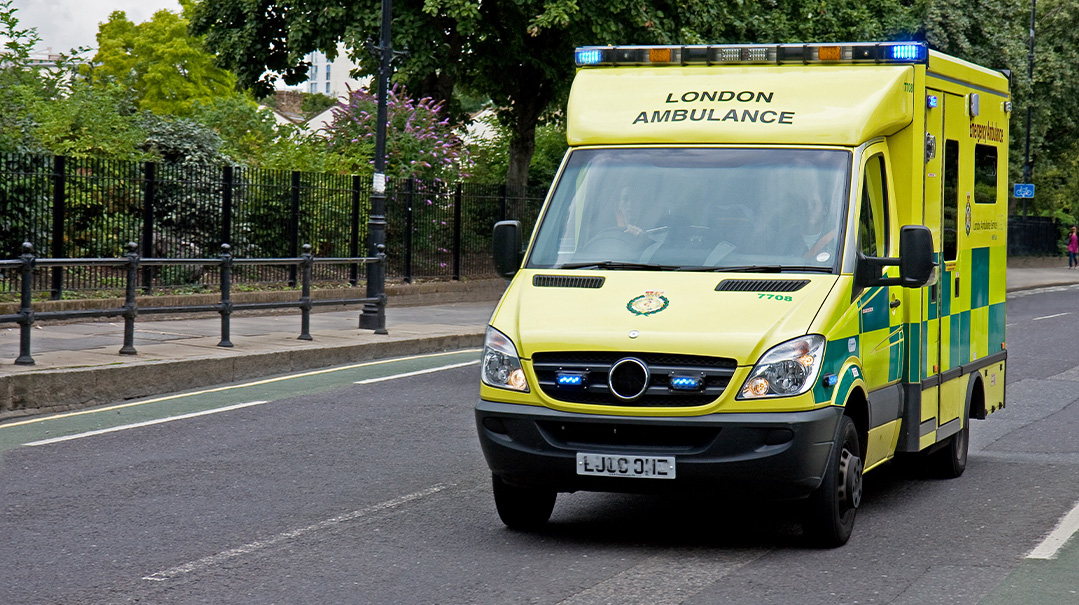
IFBritain’s National Health Service materialized as a corporeal patient in an emergency room, doctors would label its condition acute. Waiting three to four months to see an NHS cardiologist is routine, many wait almost a year for a hip replacement, and in thousands of cases, treatment for cancer can take weeks to get underway. With hospitals full to bursting, 40 percent of ambulance crews waited more than half an hour to offload patients over the new year peak. Decades of under-investment have resulted in a hospital capacity of 2.4 beds per thousand of the population, compared to an OECD average of five.
Anecdote is never the best guide to reality, but there are too many horror stories of visitors to Israel getting blood tests that are hard to procure back home to tell any other story: Britain’s health service is in crisis.
To outsiders — particularly Americans with a mostly private health system — it’s almost impossible to grasp the NHS’s place in British life. Start with its scale: In a country of 64 million, 1.5 million are employed by the NHS. That makes the NHS the world’s fifth biggest employer, after corporate behemoths like McDonald’s, and the Chinese armed forces.
According to a 2018 poll, a full 87 percent of Britons were proud of the health service — that’s 23 points ahead of the royal family. Cynical Brits don’t get misty-eyed over much, but the free-at-point-of-use NHS is one of those rarities. It was Thatcher-era chancellor Nigel Lawson who put it best, calling the NHS “the closest thing that the English people have to a religion.”
Create a free account to keep reading.