It started with just one beautiful Haggadah sitting in a New York bookstore. Thirty-five years later, Chicago’s Stephen Durchslag has amassed one of the largest Haggadah collections in the world
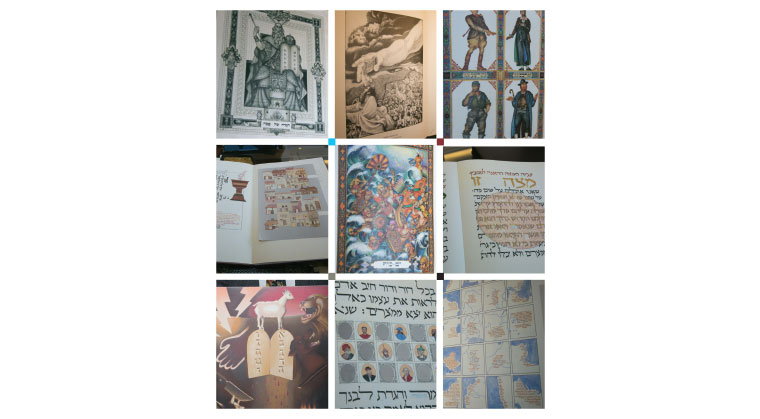
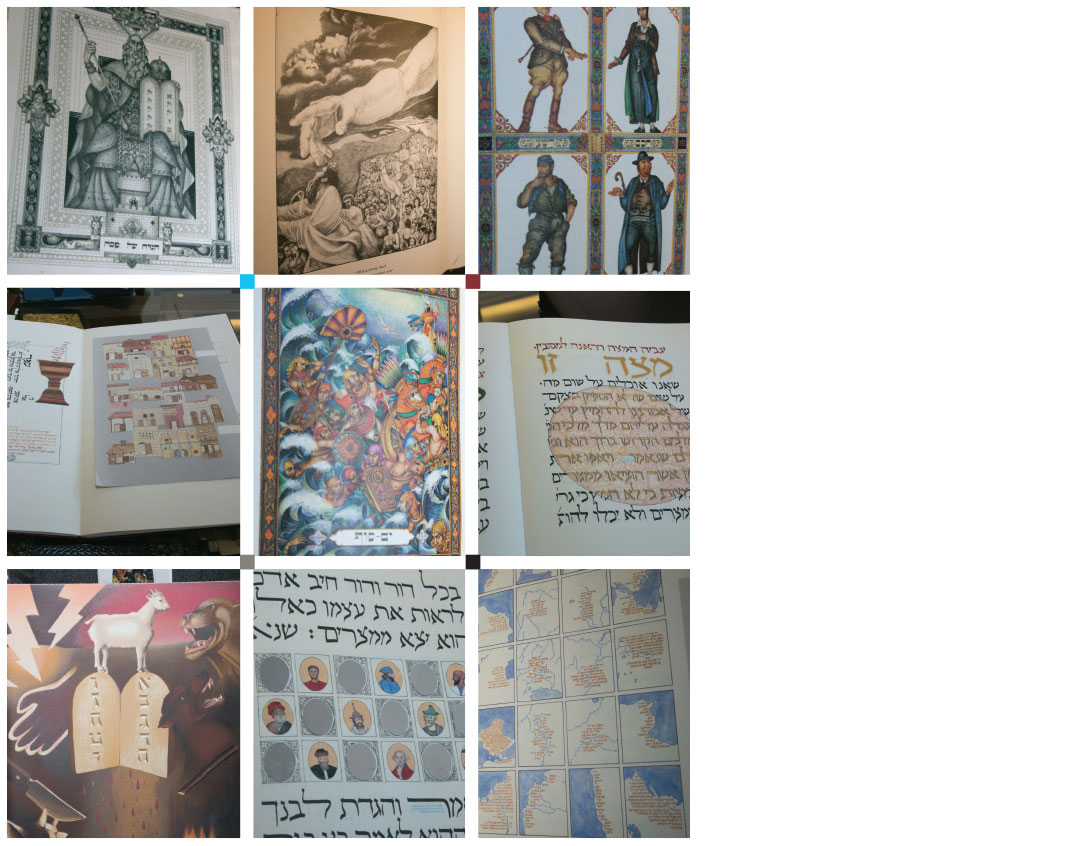
Photos: Fred Eckhouse
O
ne of the largest collections of Haggados in the world is not behind thick layers of glass in a museum, nor locked away in the dusty stacks of a university library. Instead many of its tomes — encompassing Jewish history from 1485 to 2018 — are housed in Stephen Durchslag’s living room.
Durchslag’s Chicago home overlooking Lake Michigan is bursting with art and life. A visitor’s eye is immediately drawn to artist Shmuel Broner’s brilliant 1840 micrographic work, in which the entire Haggadah has been written in minute form to create the shape of the words “Leil shimurim hu l’hotziam mei’Eretz Mizrayim.” Above it is another piece of art, this one depicting Jewish immigrants to Eretz Yisrael reading from the Haggadah after they escaped from Yemen during Project Magic Carpet. “Just like the Haggadah incorporates the past,” says Durchslag, “I like my home to incorporate the past.”
Walk a little further, and it becomes clear this goal has been met: Durchslag’s living room is like a little museum, complete with a display case in the center housing ancient artifacts, such as several oil lamps from the Second Beis Hamikdash and coins from the times of the Chashmonaim, the first Jewish rebellion against Rome, and the Bar Kochva revolt. In the center of the case is a facsimile edition of the Kennicott Bible, a Tanach written and illuminated in Spain in 1476 — just 16 years before the Expulsion—and considered one of the most beautiful medieval Spanish manuscripts still in existence. Every week, Mr. Durchslag likes to open the case and turn to the page that displays the parshas hashavua.
Sitting beside a table piled high with Haggados, Durchslag explains how his love for collecting began. “I always loved Pesach. In 1984, I was in New York, and I stopped in a Jewish bookstore. I saw a beautiful Haggadah that had been published in 1864 in Ladino [Judeo-Spanish]. I picked it up and after that started collecting them. Now I have the largest private collection in the world.”
Create a free account to keep reading.