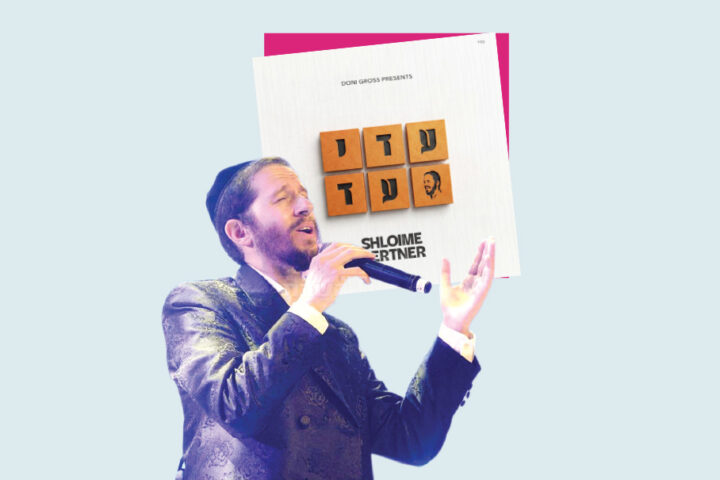
Veteran producer Dovid Nachman Goldinghosts a walk down musical memory lane
In the music business, we have our version of that “fowl play” question as well. What comes first, the lyrics or the tune? I’ve had the pleasure of posing this query to many composers, and by and large, the answer is always, “It depends.” However, most in my survey said that if they’re writing an English song, first they write the lyrics, but when composing a niggun, it’s the opposite. The music generally comes first.
Yet when I posed the question to master composer Rabbi Baruch Chait, he said he believes that the strongest tunes are those whose melodies are written for specific words. That was definitely the case way back when he wrote his iconic “Kol Haolam Kulo” and “Min Hamaitzar.” However, he did mention that when it came to “Mi Ha’Ish” and “Rabos Machshavos,” the melodies came first on their own, and later the words were suggested by friends.
Rabbi Shmuel Brazil, who’s composed hundreds of songs, told me that in most cases — for him at least — the selection of words come first. However, in what is probably his most well-known composition, “Bilvavi Mishkan Evneh,” the tune came first. Sometime after that, he heard the words from his rebbi, Rav Yitzchok Hutner, who adapted them from the Sefer Chareidim. The song was on the first Ohr Chodosh album in the early 1970s, and eventually became what I believe is the most popular chuppah song ever.
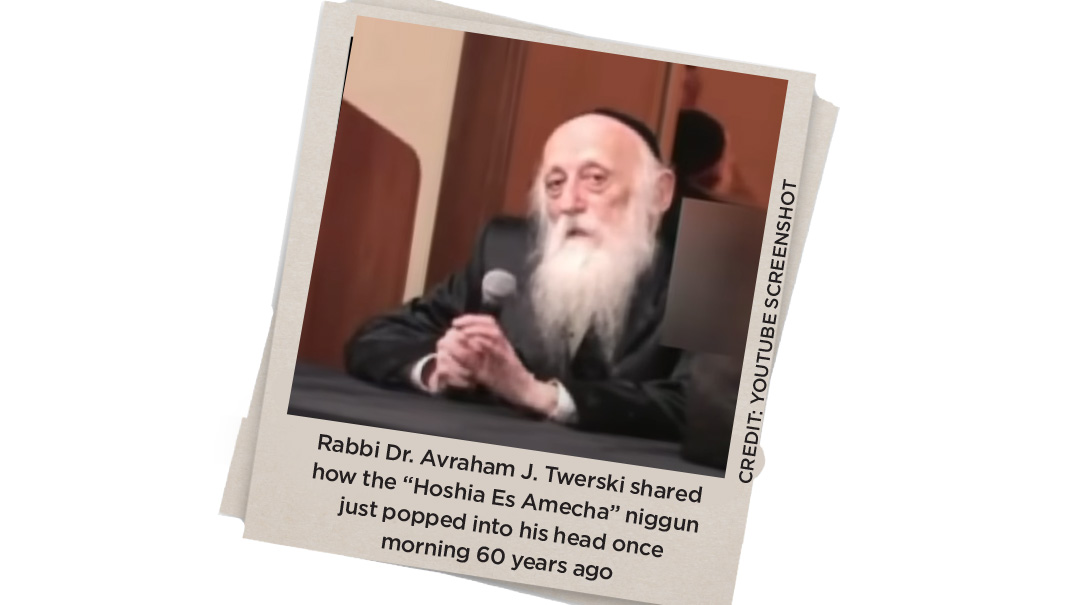
Rabbi Avraham J. Twerski a”h, who wrote the famous “Hoshia Es Amecha” in 1960, often retold how when he was davening Shacharis one day and got to those words, the entire niggun just popped into his head. The following week, he sang it at the wedding of his youngest brother, and it caught on. Rabbi Twerski always felt that it was a gift from Hashem that brought people simchah for decades, and that’s why he requested that it be sung at his own levayah instead of hespedim.
Create a free account to keep reading.