For some four decades, Slabodka yeshivah alumni held an annual convention on or near 29 Shevat
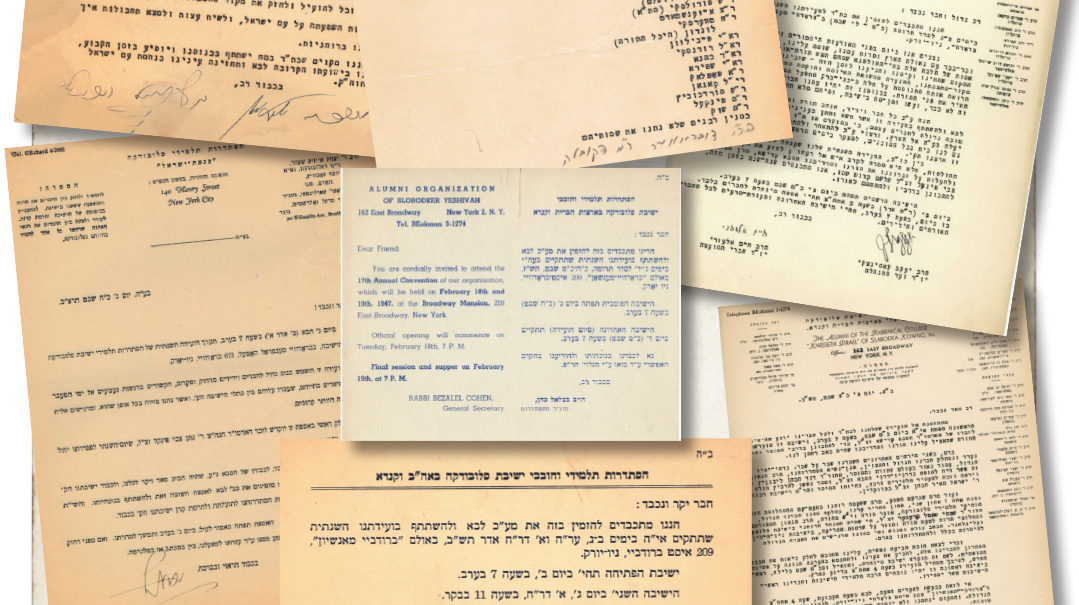
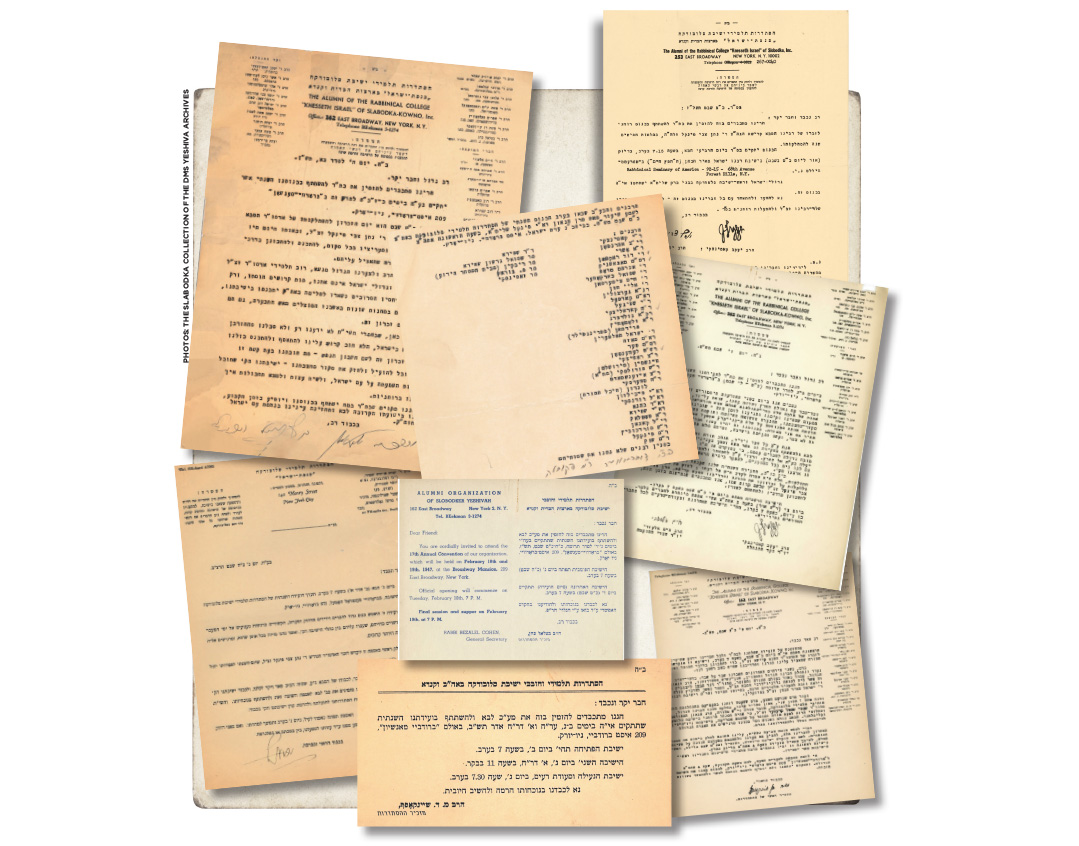
“The goal is to strengthen among the alumni the spirit and impact experienced during their time in the yeshivah, to establish a stable basis for the yeshivah’s continued support and growth, and to inspire and develop a sense of friendship and brotherhood among the alumni as it was during the time spent in Slabodka.”
—Slabodka alumni association
For some four decades, Slabodka yeshivah alumni held an annual convention on or near 29 Shevat, the yahrtzeit of their great mentor, Rav Nosson Tzvi Finkel, known as the Alter of Slabodka. The Slabodka alumni association was a loose grouping of communal rabbis, educators, and laymen across the United States who had spent their formative years in Slabodka as students of the Alter and wished to perpetuate his legacy and maintain a connection to his beloved institution. The gatherings were generally held on the Lower East Side, in the Broadway Central Hotel, the Broadway Mansion, or the Adas Yisrael shul.
Alumni received formal invitations to the two-day event and were requested to RSVP. The program consisted of a mussar discourse in the spirit of Slabodka, a study session, a shiur delivered by one of the visiting Slabodka roshei yeshivah or a guest speaker, additional speeches, and often reminiscences of bygone times at the yeshivah basking in the Alter’s light. It often concluded with a roundtable discussion of alumni affairs and a catered banquet.
Although the annual convention undeniably presented a fundraising opportunity, it seems to have primarily been a venue to nurture the Slabodka mussar legacy through the fraternity of the Alter’s talmidim. The observance of the Alter’s yahrtzeit, the priority given to mussar discourses and shiurim, and the nature of it being a two-day event, all indicate that the primary purpose was spiritual. The 1950 invitation, signed by Rav Yaakov Kamenetsky and Rav Chaim Elazary as heads of the alumni association, stated:
Create a free account to keep reading.