Prague might be the Jewish tourist capital of the Czech Republic, but there’s another narrative buried in the rural towns and farming villages
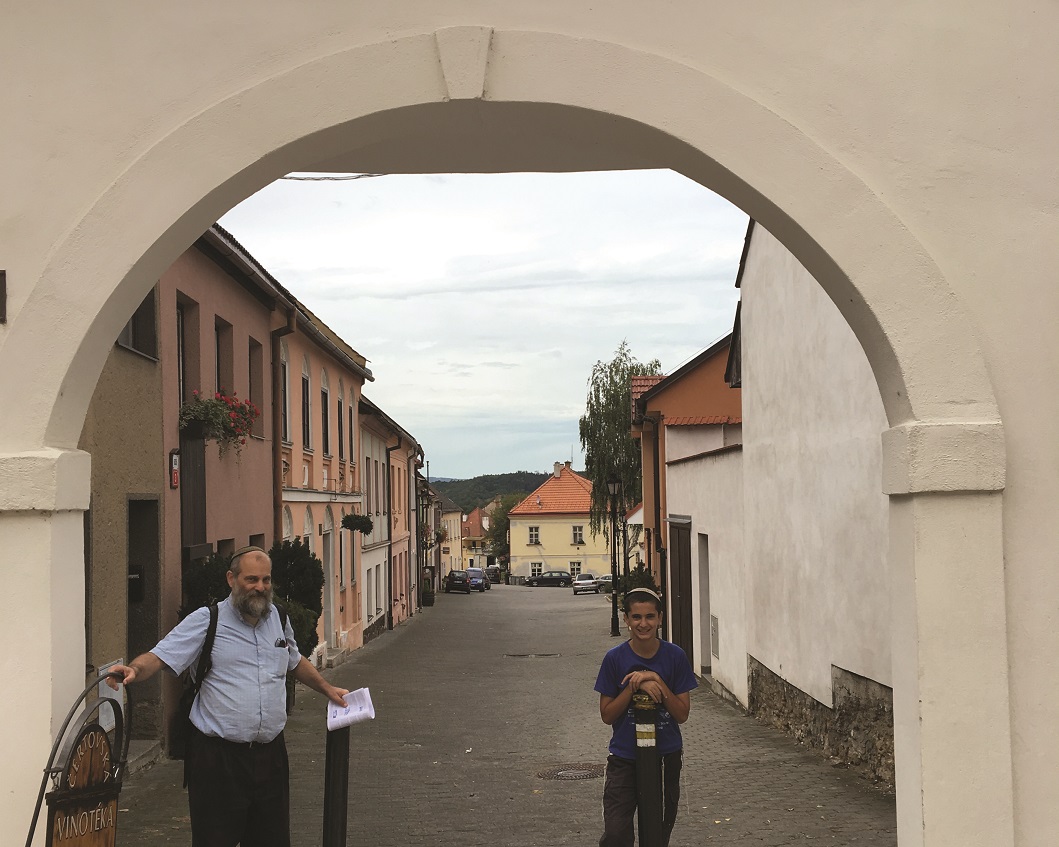
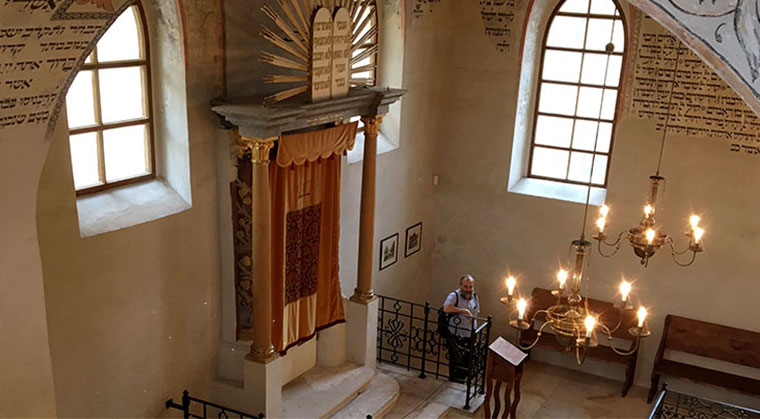
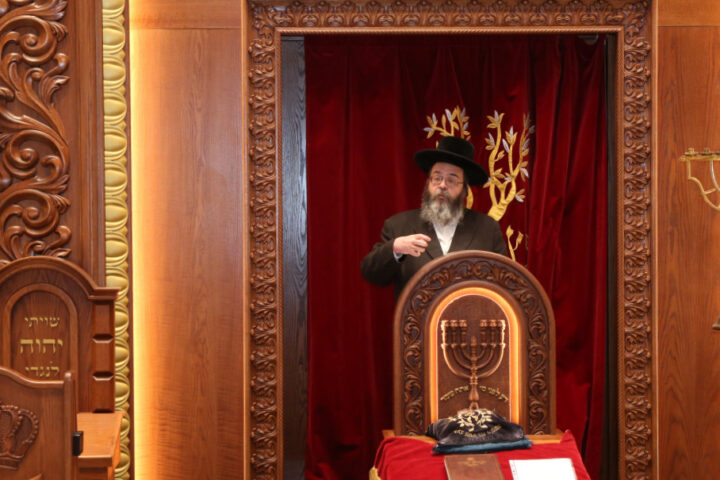
Between Bohemia and Moravia there were about 400 shuls in the country at the turn of the 20th century 60 of which were eventually burned by the Nazis. Yet today in the entire Czech Republic there are only four functioning shuls — three in Prague and one in Brno the Czech Republic’s second-largest city. What happened to the rest?
W
e had spent a few days in Prague seeing the classic Jewish sites — shuls cemeteries and museums that showcase the rich and lengthy Jewish presence in the city. We met some members of the current Jewish community our 13-year-old was privileged to lead Shabbos Minchah in the Altneuschul — which may be the oldest shul in continuous use — and we took in Prague’s famous zoo and other sites. But chances are you’ve also visited or read about Prague and don’t need our account of this ancient and now-popular tourist city to enlighten you.
Indeed Prague was the sideshow to the main point of our trip to the Czech Republic with my wife’s extended family. Her father a Holocaust survivor shared his story with all his descendants at the Theresienstadt concentration camp where he was held for a year and a half during World War II. We thus spent a very moving day in the once German-occupied Terezin where much of Czech Jewry was killed or sent onward from there to almost certain death. And once in the area how could we not explore the expansive Czech lands through a Jewish lens?
The Czech state today comprised of the regions Bohemia Moravia and Czech Silesia was originally formed in the late ninth century and over the subsequent centuries was under the rule of a series of kings the Holy Roman Empire and the Austrian Empire. In 1918 following the collapse of the Austro-Hungarian Empire after World War I the Republic of Czechoslovakia was formed. But it was occupied by Germany in World War II and then afterward fell under the Soviet sphere of influence and eventual occupation.
Create a free account to keep reading.