The question is how the coalition will react to these expected rulings. Do they cave, or do they fight back?
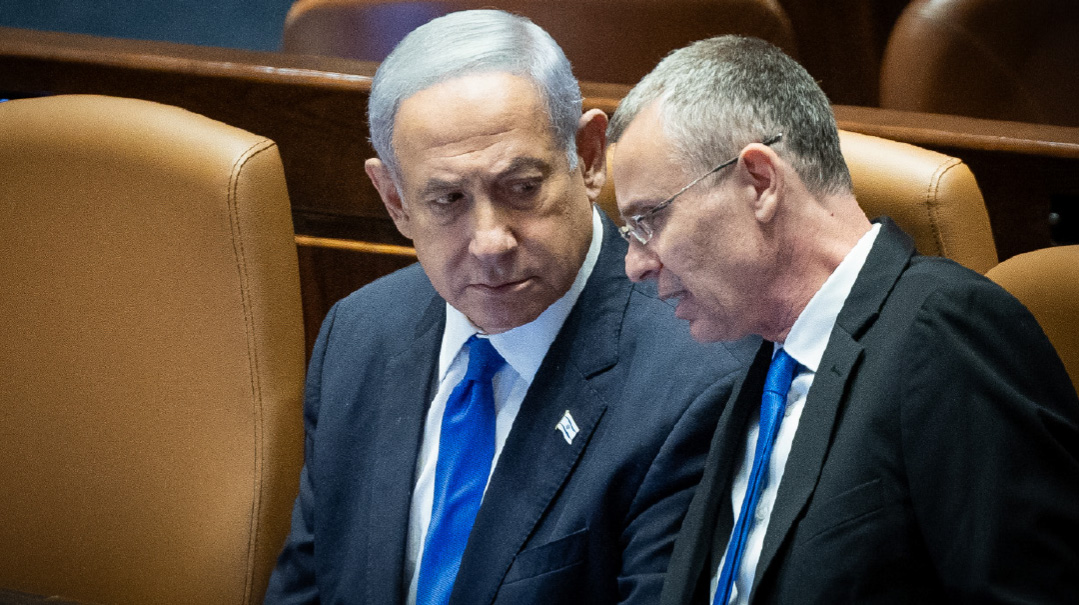
The High Court of Justice will hear the first of three cases this week that would force Justice Minister Yariv Levin, against his will, to convene the judicial selection panel to choose the two new justices who will replace Court President Esther Hayut and Justice Anat Baron, who are retiring next month. Hayut and Baron are two of the court’s most liberal justices. Levin has been stalling to give the Netanyahu government time to change the makeup of the selection panel to improve the chances of appointing conservative judges.
The High Court will also hear appeals filed by left-wing citizens’ groups who want the court to strike down or delay the implementation of two new laws. One would limit judges from overruling Knesset legislation or cabinet-level decisions if they deem them to be “unreasonable,” and the other would strip the attorney general of the power to suspend a sitting prime minister.
The legal issues are debatable, and each side has strong arguments. The overriding issue at play here is who makes the final decisions: a government elected by the majority in a free and fair democratic vote, or an unelected judiciary, answerable only to themselves?
The Court’s backs are to the wall. The instinct of self-preservation is strong, and this is also the last chance for retiring Court President Esther Hayut to cement her liberal legacy.
Create a free account to keep reading.