Richardson told Mishpachahe believed in the simultaneous use of public pressure, quiet diplomacy, and behind-the-scenes advocacy
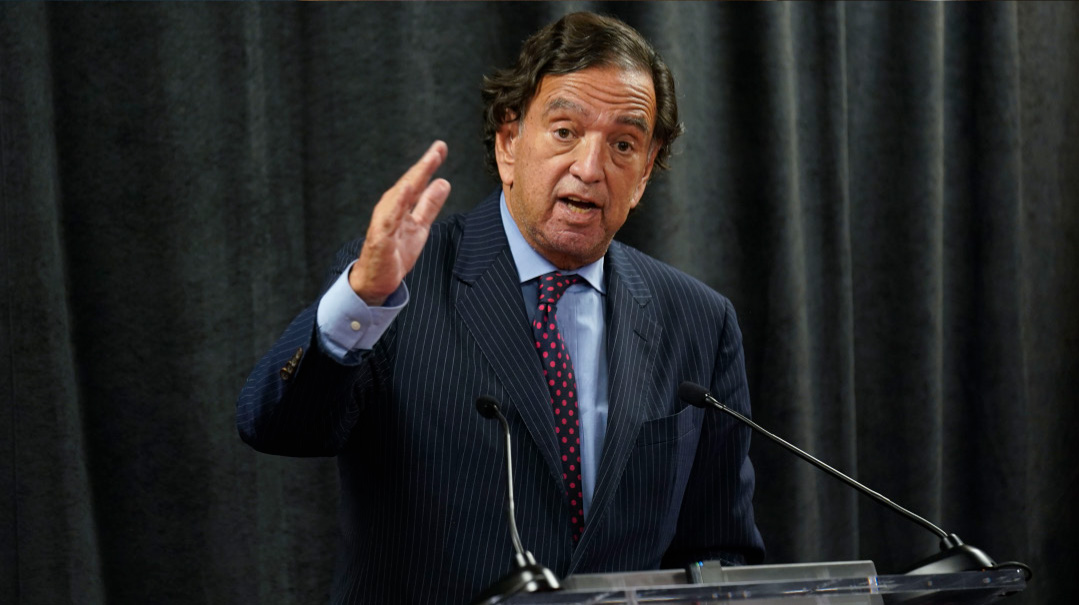
A former two-term governor, UN ambassador, and congressman, Richardson served as a special envoy on many sensitive international missions, successfully winning the release of US servicemen and prisoners in North Korea, Iraq, Cuba, and Sudan, and was nominated several times for the Nobel Peace Prize.
We interviewed Richardson some ten years ago, following his efforts to spring several high-profile Jewish prisoners held captive in cases where political motives played a role in their incarceration.
These included Brooklyn businessman Jacob Ostreicher, who was held captive on false charges in Bolivia for 18 months; Jonathan Pollard, imprisoned for 30 years under inhuman conditions for spying for a friendly country; and Allan Gross, imprisoned in Cuba for trying to open the Communist nation to the Internet.
Richardson told Mishpacha that he believed in the simultaneous use of public pressure, quiet diplomacy, and behind-the-scenes advocacy. When asked if bringing pressure to bear publicly can backfire, embarrassing governments into denial and inaction, or hardening their stance so they don’t appear susceptible to coercive pressure, Richardson admitted there is a school of thought that subscribes to that, but he disagreed.
Create a free account to keep reading.