Part of that song, a chant of “B’EZRAT HASHEM NENATSEACH” is the opening and title of Ari Goldwag's just-released album
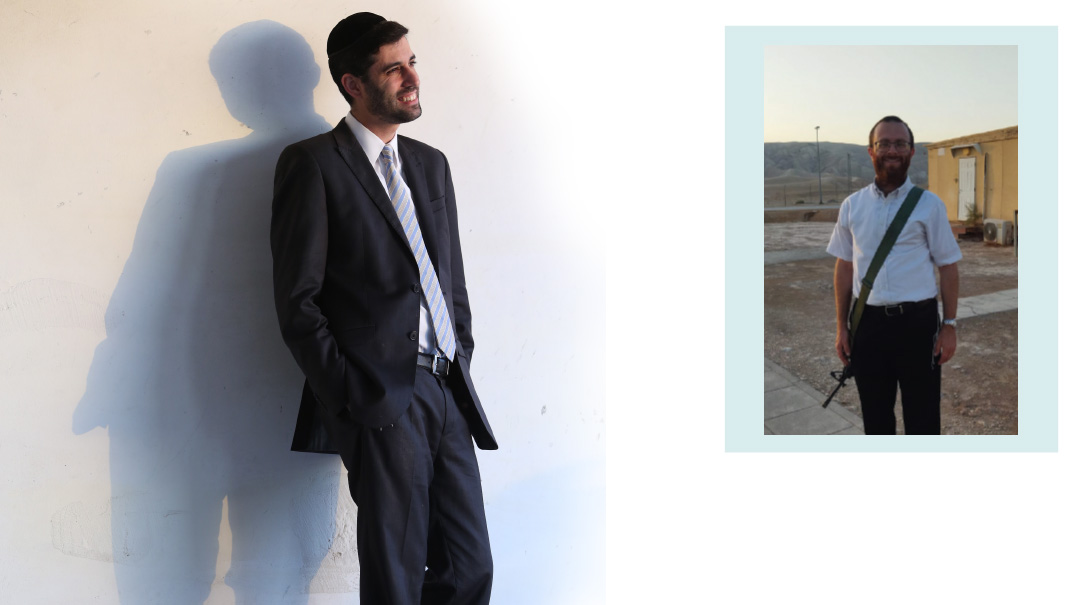
IN the third week of Israel’s war in Gaza, ARI GOLDWAG received an email from a friend fighting in a tank battalion in Gaza. As a soldier in the thick of war, Elisha Loewenstern asked him to write a song to encourage the soldiers and strengthen their emunah. Elisha sent along with this request a quote from the writings of the Rambam, instructing a soldier who goes into war not to be afraid since he is fighting on behalf of Hashem. At the time, with a war raging in Gaza and so many Jewish lives lost, Ari didn’t feel up to composing music, but as he emerged from the paralysis of the aftermath of the Simchas Torah tragedy, he wrote a song for Elisha and sent it to him. Part of that song, a chant of “B’EZRAT HASHEM NENATSEACH” is the opening and title of Ari’s just released album.
It is still difficult to absorb that five weeks later, Elisha Loewenstern Hy”d fell in battle, leaving a wife and six young children. For Ari, who lives near Elisha’s parents in Beit Shemesh, the loss felt very close. “Elisha’s wife, Mrs. Hadas Loewenstern, asked me to come to the shivah, so of course I went. I didn’t want to publicly connect a song to their family’s personal tragedy without their permission, but when presented with the idea, Elisha’s wife felt that anything that could serve as an aliyah for his neshamah or publicize her husband’s name in the Jewish world was something that should be done.”
Ari chose not to place the whole track on the album, but the opening chant is included, introducing an upbeat song on the theme of the power of mitzvos, especially tefillin, to protect us and empower us. Zevi Kaufman, who sings the track with Ari, has been involved in raising millions to buy tefillin for Jewish soldiers who commit to wearing them. The body of the song “Vera’u kol amei haaretz… [and all the nations of the world will see that Hashem’s name is called on you and will fear you]” incorporates Chazal’s explanation that this fear is evoked by the tefillin worn on a Jew’s head. Catchy Hebrew and English lyrics (“No stronger weapon can you wield / I’ve got my spiritual shield…”) bring the message home.
Ari loves to introduce new singers as well as collaborate with old friends, among them, Yosef Karduner — who might probably be singing English vocals for the first time. A surprise “guest” is 13-year-old Ari himself, singing along in a duet. “Not bad for a 13-year-old,” Ari says about his former self in the song “Al Hatzaddikim” which he himself composed and recorded back in 1992. He’s developed that germ of a song, though, having deepened and strengthened it.
Create a free account to keep reading.