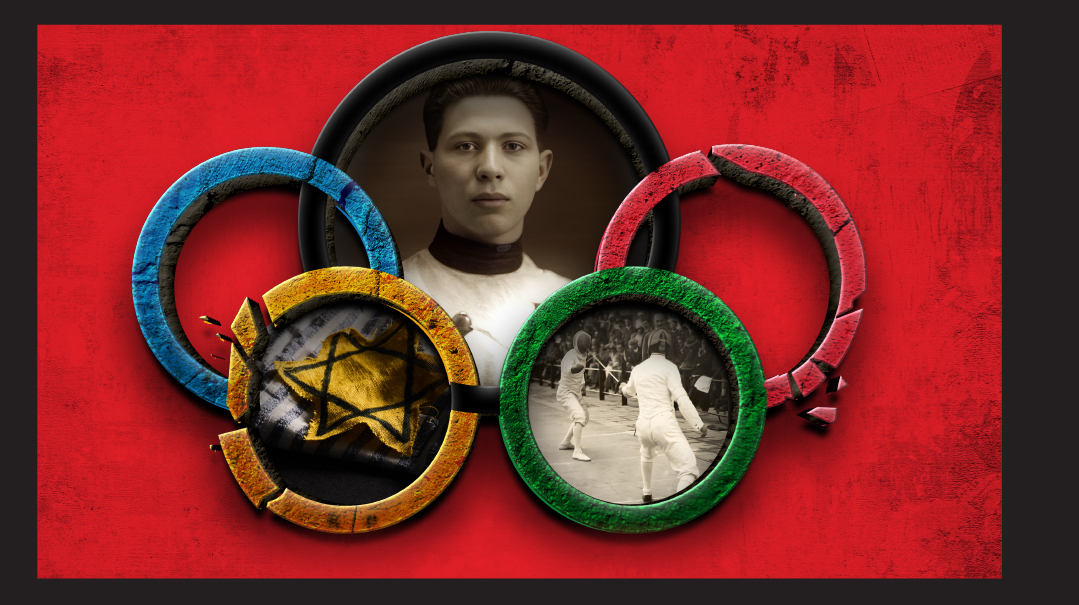
The rhythmic clang of steel on steel sliced through the air as two young men circled each other on the gleaming parquet floor. Their movements were a mesmerizing dance: advance, retreat, feint, riposte. Suddenly, with cobra-like speed, one of them lunged forward. His opponent parried desperately, but it was too late. The blade found its mark.
“Touché!” cried the referee. “Match to Petschauer!”
Attila Petschauer lowered his sabre and removed his mask, his fair, boyish face flushed with exertion and triumph. At just 24 years old, he was already being hailed as one of the finest fencers Hungary had ever produced. As he shook hands with his vanquished opponent, Petschauer allowed himself a small smile. The 1928 Amsterdam Olympics were just months away, and he was confident that he would do very well.
Little did he know that his greatest triumphs — and most horrific trials — still lay ahead. For Attila Petschauer was more than just a sporting prodigy. He was a red-blooded Hungarian, a patriot to his core. And at the same time, he was a proud Jew.
IN the storied annals of Olympic history, few communities can boast a legacy as impressive — and ultimately as tragic — as the Jews of Hungary. Between 1896 and 1964, Hungarian Jewish athletes captured an astounding 48 Olympic gold medals — more than double the number won by American Jews in the same period.
Create a free account to keep reading.