Do the Pentagon’s fast-food orders really predict strikes on Iran and other foreign flare-ups?
IT was the night of June 22, 2025, and the world was on edge. Not in the normal “bad news cycle” way, but in the end-of-the-world, check-the-skies kind of way.
Then the news flashed. President Trump had sent B-2 bombers and hit Iranian nuclear sites in Fordow, Natanz, and Isfahan.
The world reacted with shock, speculation, panic, analysis, and a sudden flood of maps. Analysts stared at flight paths, pundits stared into cameras, generals stared at touch screens, and somewhere, someone on a cable news show used the phrase “unprecedented” with the same calm tone he’d used to describe the weather patterns on the previous day.
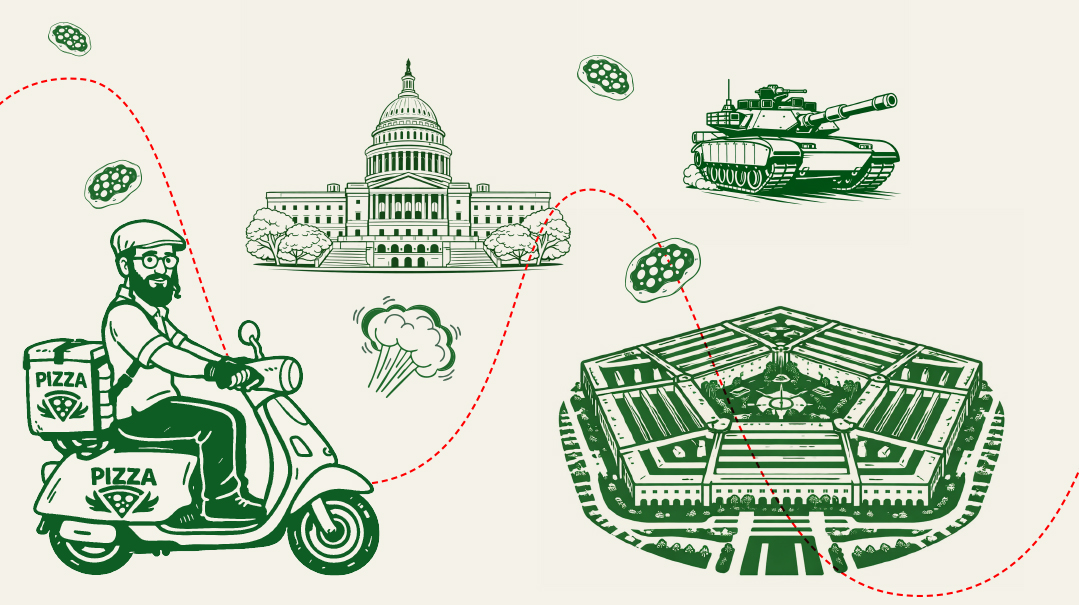
And yet according to a small band of Internet sleuths, none of this was surprising. They weren’t watching troop deployments, and they weren’t monitoring satellite imagery. They were watching something they claimed to be far more predictive, far more reliable than official statements, and far more delicious than open-source intelligence. Pizza.
Create a free account to keep reading.