In the Red

The Iran war was supposed to be over. Instead, Israel finds itself trapped between American diplomacy, Hezbollah’s recovery, and the return of the sirens
In the Red

Photos: Flash90

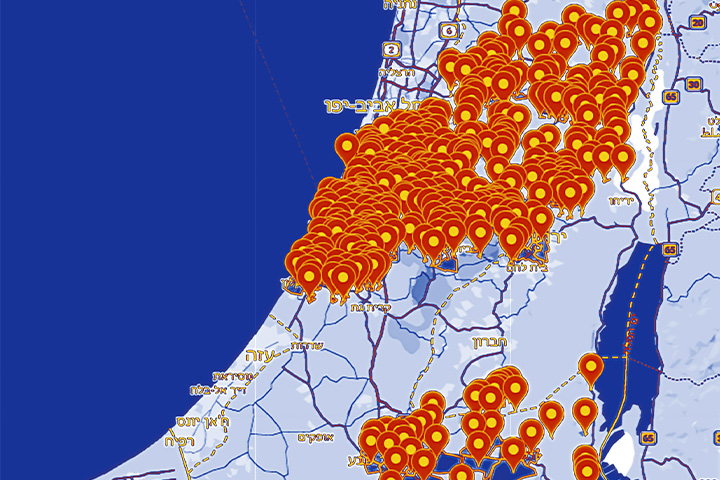
Just when many Israelis thought life might finally be returning to some new normal after October 7, the proxy wars with Hamas, Hezbollah, and the Houthis, and the recent war with Iran, Tehran launched a new wave of missiles. The familiar routine returned overnight: sirens, racing to bomb shelters, school closures, and reports of hits and injured civilians.

Touted by both Bibi and Trump as a great victory, the Iran war has turned into a slog. Seeking to avoid direct American military involvement while keeping gas prices under control, Trump has pushed for a ceasefire between Israel and Iran. Yet his eagerness to secure a deal may have revealed how weak Washington’s negotiating position really is.

While the dust seems to have settled for now, the situation remains fragile.

To understand where the confrontation between Iran and Israel stands today, and where it may be headed next, here is what you need to know.

What Happened?

Northern Front Reignited

In early June, Hezbollah dramatically stepped up its attacks on northern Israel, launching nearly 200 waves of rockets and drones. Israel responded by moving in with a ground campaign, eliminating around a hundred terrorists, but sustaining numerous casualties in the effort.

 Dahieh Doctrine

After a big Hezbollah barrage on June 7, Israel struck the group’s command center in Beirut’s Dahieh district. Iran framed its subsequent missile attacks on Israel as retaliation for IDF operations in Beirut and southern Lebanon.

 Beyond Lebanon

Iran’s missile attacks widened the battlefield beyond Lebanon. Israel responded by targeting infrastructure inside Iran, including the Mahshahr petrochemical complex, which supplies the Iranian military. Iran, together with the Houthis, then launched another missile barrage at Israel, leaving dozens of civilians injured.

 Schools Out

For Israeli parents, one of the clearest signs of war is a text message from school. Classrooms across the country were closed following the latest barrage, forcing households back into the routine of finding child-care arrangements, arranging remote learning, and making hurried trips to protected spaces. Nearly three years after October 7, many families are still asking when ordinary life will finally resume.

 Shelter Divide

The return of missile fire has exposed a new class of haves and have-nots in Israeli society: those whose apartments have a mamad, a protected room, and those that don’t. The air-raid siren sends some families running to a room in their own home. For others, it means waking children in the middle of the night and sprinting to a communal shelter downstairs, or even down the street. As exhaustion and fear of a mass-casualty strike mount, public pressure on the government is likely to grow. The more time Israelis spend in bomb shelters, the harder it may become for Netanyahu to accept restraint, even at Washington’s urging.

 Return of the Proxies

The fate of Hezbollah is a central sticking point in the ceasefire negotiations. Iran has reportedly sought guarantees against any Israeli military activity targeting Hezbollah, which remains Tehran’s most important regional proxy and a critical element of its “ring of fire” strategy. Israel, however, is determined to preserve freedom of action in Lebanon, to prevent Hezbollah from rebuilding military capabilities that were badly damaged during last year’s fighting.

How Did We Get Here?

Moderately Shooting

Tehran’s decision to ramp up its confrontation with Israel is mostly due to Washington’s passivity and fear of a regional blow-up. In fact, President Donald Trump recently defined a Middle East ceasefire as “shooting in a more moderate manner.”

 Two Trumps

Trump’s final public message before press time summed up his balancing act: “Both sides, Israel and Iran, are looking to do an immediate ceasefire!… The Blockade will remain in place, and in full force and effect, until a ‘Final Deal’ is reached.”

The statement highlights the White House’s strong push to secure a diplomatic breakthrough and its firm commitment to maintaining maximum pressure through the blockade.

Hormuz Hangover

Trump needs a ceasefire not only for geopolitical reasons but also for domestic ones. Continued fighting could drive oil prices higher, destabilizing the US economy and upsetting key constituencies ahead of the midterm elections. At the same time, Washington hopes the economic pressure on Iran, in the form of sanctions and the maritime blockade, will force the regime to come to terms.

What Comes Next?

Playing for Time

Trump may have let Iran schlep the negotiations out for too long without reaching any agreement. Tehran has now reportedly conditioned any ceasefire on Israel laying off from striking Hezbollah. And the Houthis, sidelined for months, have stepped back into the ring. Iranian leaders are already projecting confidence. President Masoud Pezeshkian, who weeks ago was threatening to resign, declared last week that Iran would defend its interests “with authority.” Tehran intends to show itself as emerging from the crisis stronger, not weaker.

 Siren Fatigue

While diplomats confer in Jerusalem and Washington, residents of northern Israel are demanding answers after more waves of air-raid sirens. The continual closure of schools puts unimaginable pressure on two-income families, and many Israelis have had enough.

 Bibi’s Balancing Act

Since October 7, Prime Minister Netanyahu has survived politically by projecting himself as the Middle East’s indispensable strongman. But with elections approaching, pressure from the right is mounting. National Security Minister Itamar Ben-Gvir has come out against a ceasefire, declaring that “Tehran must burn” and urging Israel not to bend to America. Former defense minister Avigdor Lieberman declares that if he were prime minister, he would ignore Trump’s request altogether. Both men are trying to outflank Netanyahu among right-wing voters.

 The Phone Call

As of press time, schools were scheduled to reopen and the fighting looked more like a flare-up than full-out war. Early reports suggest that Israel may agree to refrain from striking Iran directly but continue the fight against Hezbollah in Lebanon. Trump and Netanyahu reportedly spoke by phone following Iran’s latest missile barrage, though no details of the discussion were released. But Washington wants a deal, and Jerusalem needs to demonstrate resolve. And so the cycle continues.

← Previous installment Oil Shocks