A 3,000-year-old beer foams with flavor
H
ow good can a 3,000-year-old beer taste?
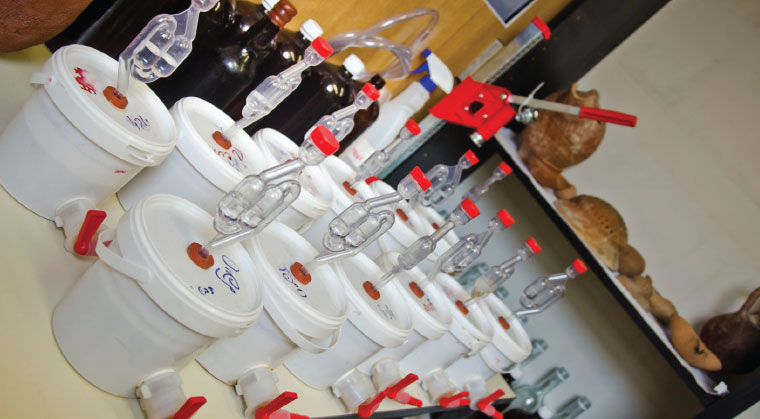
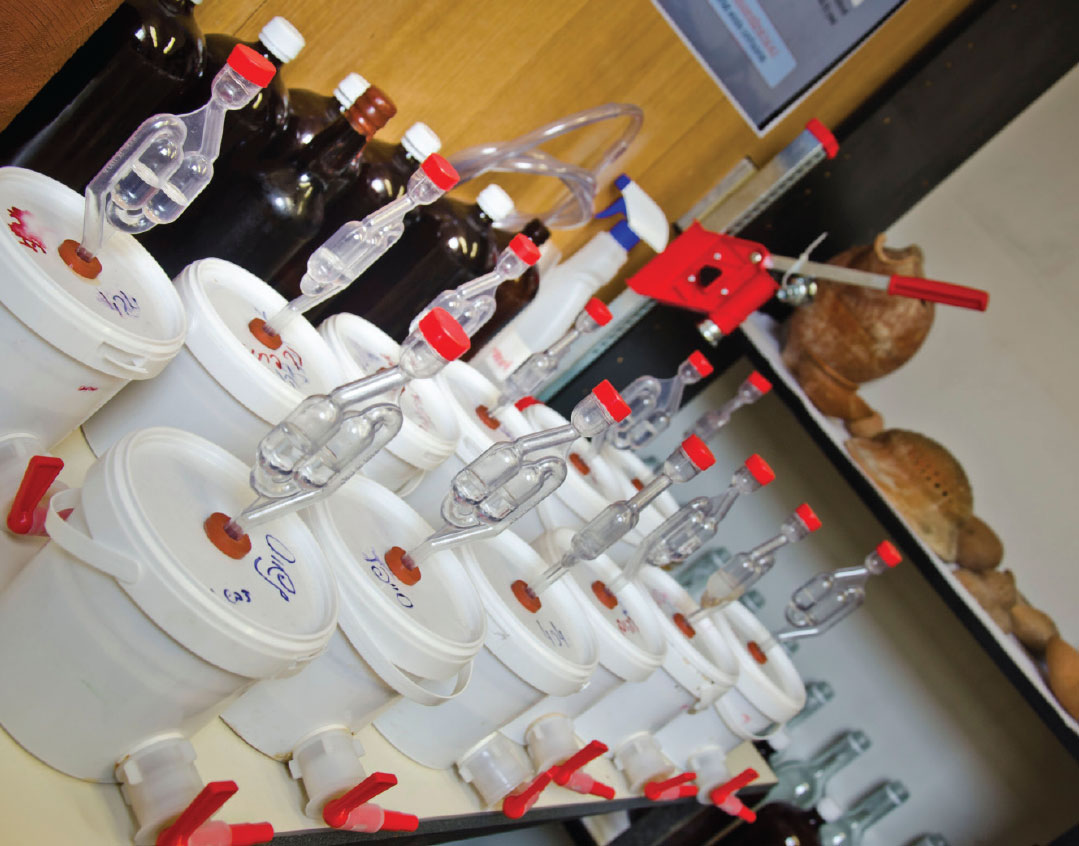
While any cold beverage would have quenched a reporter’s thirst in last week’s 97-degree Jerusalem heat wave, members of the foreign press corps gave an enthusiastic thumbs-up after sampling “test-tube” beer produced by a group of Israeli microbiologists and brewers from yeast cells extracted from pottery shards discovered at three ancient archaeological digs.
“When we first brought out this beer to make a l’chayim, I joked that we’ll either be dead in five minutes or we’ll live to tell the story,” said Aren Maeir, a professor of Archaeology and Land of Israel Studies at Bar-Ilan University. “Today, we’re here to tell the story.”
The story begins when archaeologists from the Israel Antiquities Authority excavated clay jugs from three different sites. One was in Jerusalem’s southeastern Ramat Rachel neighborhood dating to the early days of the Second Beis Hamikdash, when the Prophet Nechemiah was governor of Jerusalem under Persian rule. A second was unearthed in the former Philistine city of Gath, close to Beit Shemesh, and a third from a site that archaeologists believe was home to an Egyptian fortress in Jaffa.
Scientists from three Israeli universities who examined the shards found a high likelihood that the yeast cells were in the family of the original strains used in fermented beverages like beer and mead (honey wine). Even millennia later, yeast cells can reproduce and survive as colonies in the microenvironments of ceramic vessels.
Create a free account to keep reading.