So far, Arab states have not issued a peep about the Chevron purchase
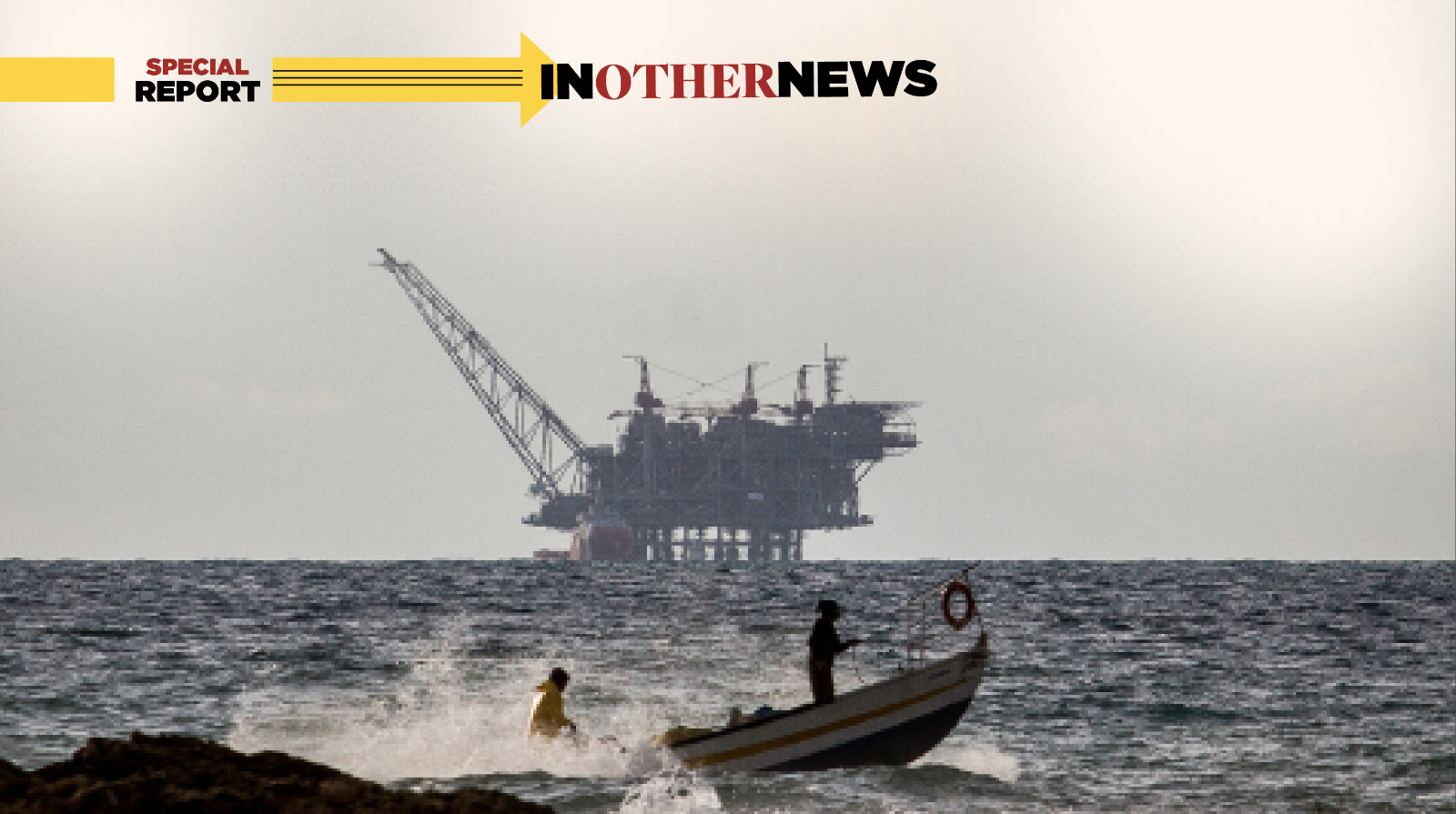
In July, without fanfare, American oil giant Chevron (the second-largest energy company in the United States) acquired Houston-based Noble Energy for $5 billion. And since Noble owns a 40 percent stake in Israel’s two largest natural gas reservoirs, Leviathan and Tamar, one of the world’s largest oil players (which also does business with Arab states) has just made a huge splash in the Israeli market.
Chevron has a long history in the Middle East, going back to the 1930s, when it received oil-drilling licenses in Saudi Arabia. Today, the company conducts oil drilling in the Partitioned Zone (PZ) between Saudi Arabia and Kuwait to produce crude oil and natural gas.
But what about the Arab boycott? In the past, Arab states prevented huge multinational companies from investing in the Jewish state. And while McDonald’s and Pepsi finally arrived, large companies are still sensitive about angering their big Arab customers. Just last year, for instance, the CEO of the French energy company Total said the company wouldn’t enter the Israeli market because it’s a “complicated” investment.
Noble has stakes beyond Israel, so it’s possible that Chevron will sell its Israeli possessions, but early signs indicate otherwise. In a statement about the Chevron deal, Noble stated that its Israeli fields “bring[s] low-capital, cash-generating offshore assets… strengthening Chevron’s position in the Eastern Mediterranean”
Create a free account to keep reading.