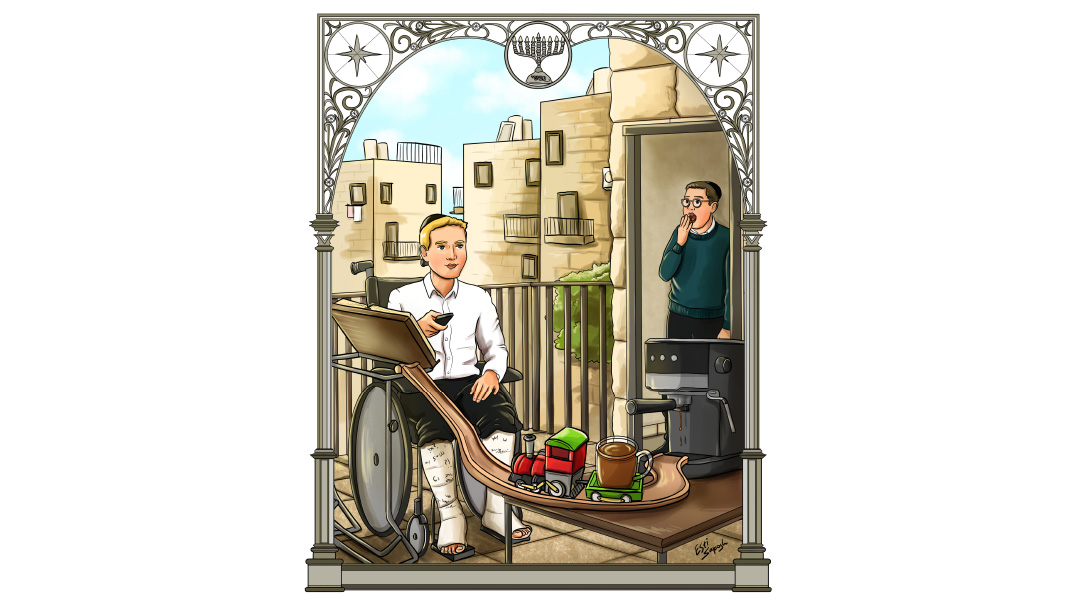
Disconnected from dollars and cents, Shabbos is still the source of all profit
Women can get pretty passionate about their challah. Maybe it’s an ego thing, but each of us is convinced we have the ultimate combination method guaranteed to produce challahs whose texture rivals cumulus cloud formations. Whether white flour or whole grain, spelt or wheat, fresh yeast or dry, we’re convinced that ours is the recipe for success.
Our obsession isn’t entirely unfounded; challah is indeed the uncontested centerpiece of our Shabbos table. As the prelude to all the Shabbos seudos and the raison d’être for dips and spreads, nothing says Shabbos more than the golden loaves nestled under an elaborate challah cover.
What’s the spiritual significance of our challah?
“Vayevareich Elokim es yom hashevi’i, vayekadesh oso — And Hashem blessed the seventh day, and He sanctified it” (Bereishis 2:3). Rashi explains that the “vayevareich” aspect of Shabbos indicates the double portion of mahn that fell on Friday, while “vayekadeish” refers to the fact that mahn didn’t fall on Shabbos.
Create a free account to keep reading.