Is it not sad that, because of the enmity between our two peoples, a simple act of kindness cannot be taken at face value, and instead generates nervousness and unease?
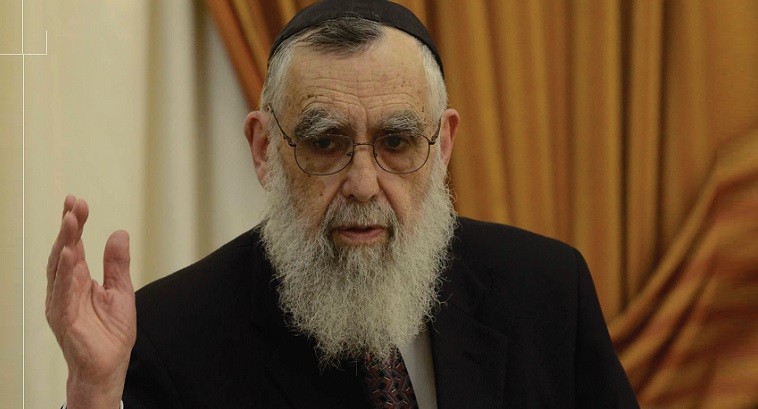
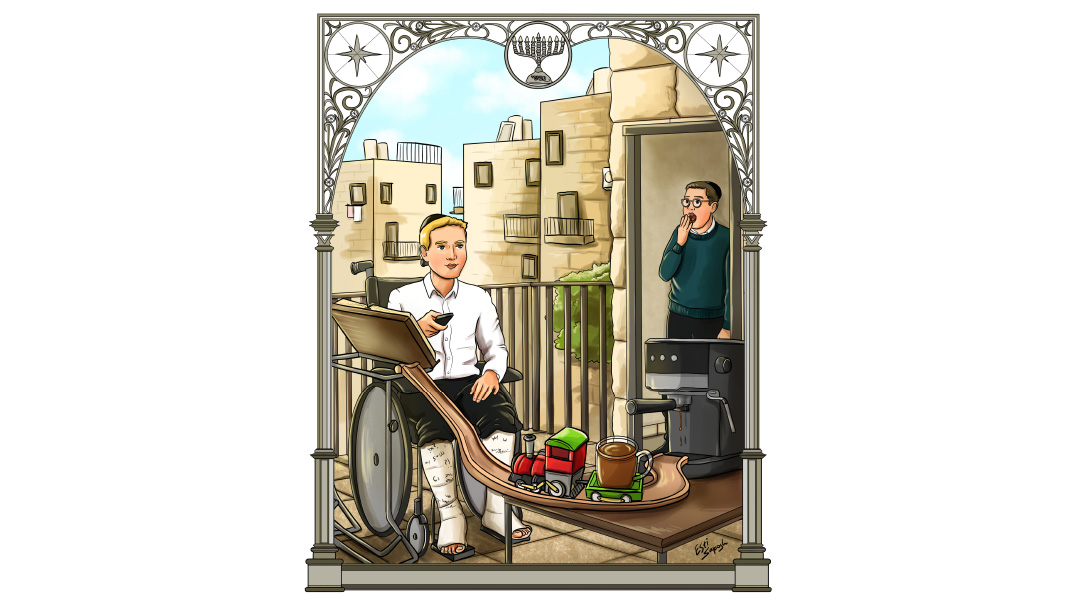
Faithful readers of this column might recall my strange experience several years ago at a Jerusalem government office. I was waiting outside the building in a long line on a bitterly cold day in January, when the guard at the door, a man in his forties, motioned to me to come forward — which I did, all the while wondering what the problem was. With a smile, he opened the door, invited me into the warm lobby, offered me a chair, and assured me that “they” would see me in a few minutes. His solicitousness both amazed and puzzled me: I thought that maybe my beard reminded him of his rosh yeshivah or his “zeide.” After my appointment, I found him and thanked him. It was then I noticed the nameplate on his chest: Mohammed. I never quite understood the meaning of all this, even wrote a column about it, but soon forgot about it.
The years flew by, and last month I found myself once again at this same government office. As I entered the building, I remembered Mohammed my benefactor, and wondered if he was still there. I didn’t have to wait long. There he was. Whether he remembered me or not I have no idea, but as soon as he saw me, he offered me a chair, and after checking my documents, assured me that I would not have a long wait. In Yogi Berra’s famous words, it was déjà vu all over again. A moment later he returned and asked if I would like a cup of coffee or a Coca-Cola. I thanked him but demurred. Then suddenly he knelt before me on one knee and asked me (all this in Hebrew) to give him a brachah, and to include his wife and children.
I was on the spot. Firstly, I am not a Kohein or a chassidish rebbe and am not in the habit of giving brachos to anyone other than my own children and grandchildren. Secondly, he was Arab, almost certainly a Muslim, and though he had been very kind to me, I did not feel comfortable bestowing upon him the Bircas Kohanim of Aharon HaKohein that I pronounce on my family: Yevarechecha Hashem v’yishmerecha… All this was racing through my head, the seconds were ticking by, and there he was on his knee, his head bowed expectantly.
If I said no, it could create anger and resentment, with, possibly, unknown consequences. I could not refuse. I opened my mouth and prayed that G-d would give me the right words. I heard myself saying the following to Mohammed: May you and your family live in peace with one another, with your neighbors, and with all those who reside in this Holy Land, for there is no greater gift than shalom. May the Creator in Whom we all believe help you and your family to help other people, for if you love peace, the Holy One will look kindly upon you and your family and give you joy, good health, and all good things.
Create a free account to keep reading.