“There was a categorical directive from the Biden administration to avoid attacking oil and nuclear facilities”
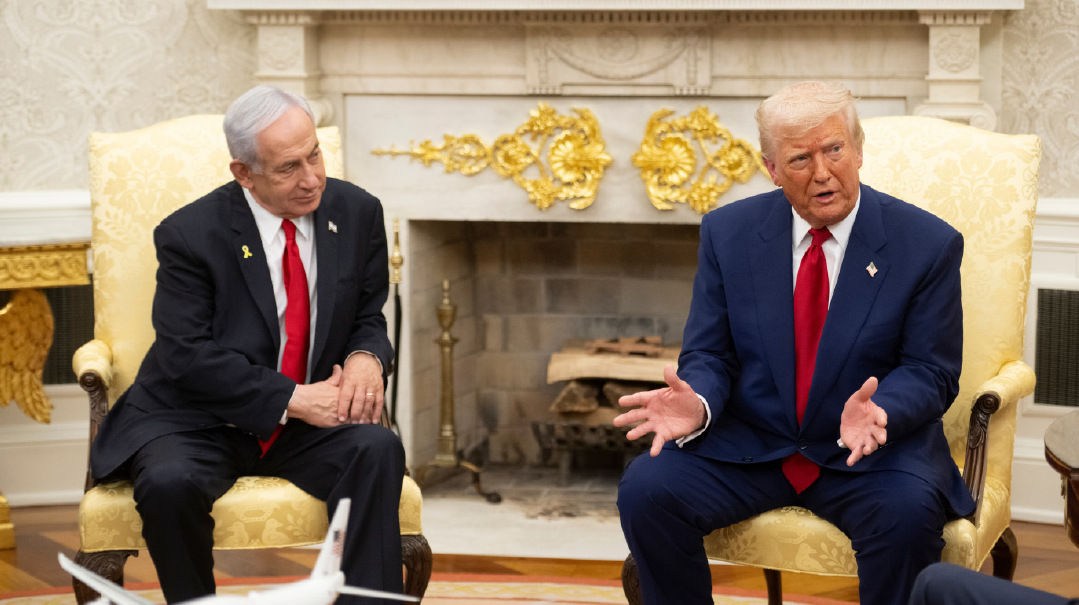
The question of the “day after” loomed over Israel’s retaliatory strike on Iran, as it has nearly every other aspect of this war. Except here, it was not the day after in Gaza, or in Lebanon, or in Tehran. Rather, it was the day after November 5, in Washington, D.C. So I heard from a member of the government (who once outflanked Netanyahu from the right under similar circumstances) on Motzaei Shabbos Bereishis.
The initial plans for strikes prioritized targeting Iran’s oil fields. The Israeli goal was not only to deliver a punishing military blow, but to generate images that unmistakably demonstrated the force of Israel’s response.
But this time, just weeks before the US elections, the American veto was unequivocal. This wasn’t the feeble “don’t” that preceded the IDF incursions into Rafah and southern Lebanon, but a clear and firm demand to avoid images of flames rising into the night sky in the style of the strikes on Hodeida, Yemen.
“There was a categorical directive from the Biden administration to avoid attacking oil and nuclear facilities,” a cabinet member told me. “Something that would have led to a spike in oil prices and would certainly have affected the American election. Given the complex circumstances, even those who felt differently accepted the prime minister’s decision to respect the American demand, and the entire cabinet voted in favor of the attack.
Create a free account to keep reading.