My toddler has suddenly become frightened of everything
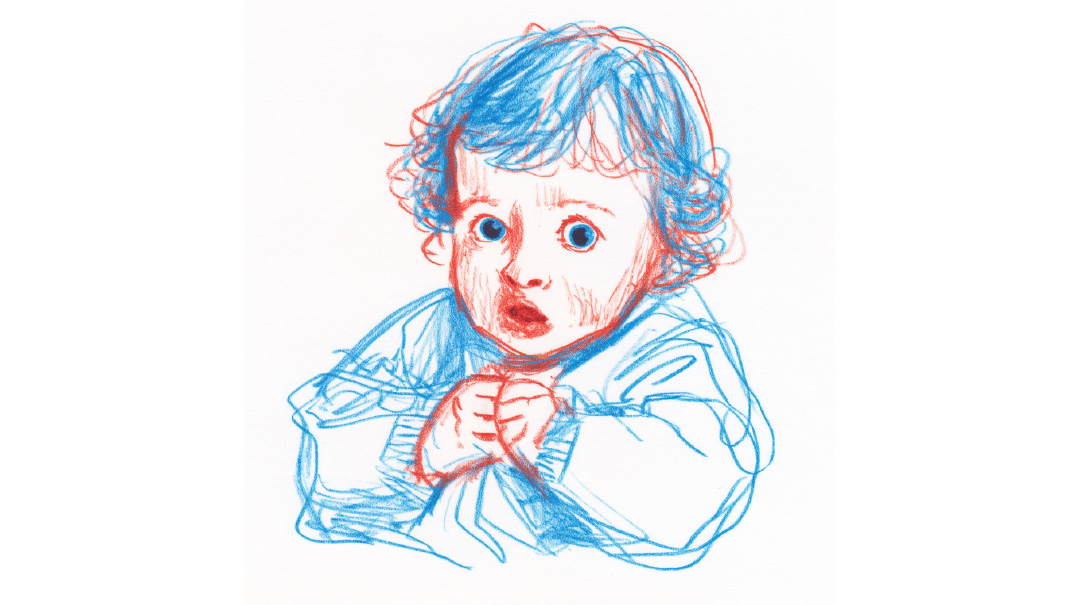
What you’re describing is actually normal — and healthy! — child development. At around two, a toddler’s cognitive capacity begins increasing, allowing her to have a clearer perspective of the world around her. She’s now able to recognize recurring features of her environment, including the faces of familiar people. At the same time, she’s become aware that the world is also populated with unfamiliar people (strangers). Moreover, these strangers may be dangerous in that they’re unpredictable and may signal an upcoming separation from known people (like Mom). When someone or something new comes toward her, safe feelings are replaced by feelings of uncertainty, confusion, and sometimes even panic. A child can quickly become emotionally overwhelmed, responding as your toddler does, with tears and intense upset.
Contributing to these feelings of anxiety are newly developed powers of imagination. Toddlers are beginning to consciously remember their experiences and extrapolate from them. For instance, they can remember the doctor’s office, the strange people there and the needle that hurt; upon visiting that location again, a small child can have a sense that something unpleasant is about to occur. Her body may respond with stress chemistry, priming it for the fight-or-flight response. This can lead to “inexplicable” meltdowns in previously calm children.
Similarly, bedtime routines can trigger memories of separation, leading to distress responses such as crying, clinginess, and refusing to fall asleep independently even though doing so was once a given. All in all, the toddler is becoming “smarter,” but has not yet developed self-soothing skills to deal with a world now recognized to be uncertain and threatening. It’s as if her brain has gotten ahead of her heart. She now knows that all isn’t always well, but she doesn’t yet know how to stabilize herself through uncertainty, transitions, unfamiliarity, and other challenges. As a result, she regresses, collapsing into helpless tears or stubborn resistance.
Now let’s discuss how you can help your daughter negotiate this new stage. As she’s dealing with internal changes beyond her control, it is important to be accepting, gentle, and calm. She’s not intentionally trying to be difficult or demanding! “You want Mommy to stay here in your room while you fall asleep? Okay, Mommy will stay for a while.” There will be other separations that will have to happen, so she’ll have plenty of opportunities to survive those. This anxious need for your presence at bedtime is temporary; giving her what she wants will actually speed up her ability to become an independent sleeper again, because you’re soothing the alarm response in her, which will then make bedtime a less traumatic and traumatizing event.
Create a free account to keep reading.