The two miracles of Chanukah were Hashem’s response to the Greek denial of a realm above nature
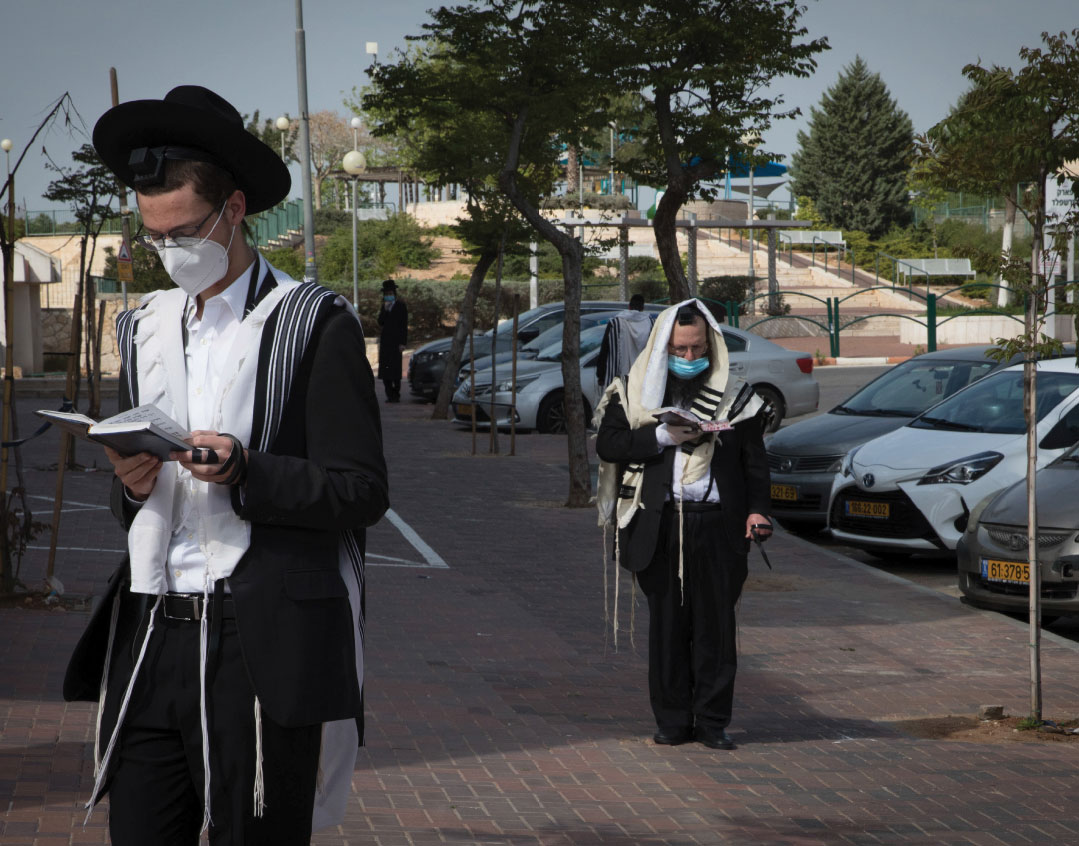
Chanukah falls at the darkest time of the year, the time when the nights are longest. And the twelve months since last Chanukah have certainly been dark ones for most of us.
Yet just as the darkness of night better offsets the Chanukah lights and increases their glow, so too if we genuinely appreciated the meaning of those lights, they would have the power to dissipate much darkness in our lives, both as individuals and as a people.
THE MIDRASH (Bereishis Rabbah 2:4) expounds the word “darkness” at the beginning of Bereishis (1:2) as a reference to the Greek exile: The Greeks “darkened the eyes of Israel with their decrees, for they would say to them, ‘Write for yourselves on the horn of an ox that you have no portion in the G-d of Israel.’ ”
The Greeks did not just deny that the Jews were G-d’s chosen people; they denied a transcendental realm altogether. For that reason, bris milah, the idea that the natural human form could become whole through a mitzvah requiring removal of a part of that form, was anathema to them. Nothing could be more perfect than nature. Bris milah on the eighth day — eight representing a realm beyond nature — proclaims the opposite.
Create a free account to keep reading.