As cancel culture spills over from the world of social media into academia, politics, business, and religious rights, we spoke to experts about the menace.Their conclusion? If you speak up, you could be canceled next
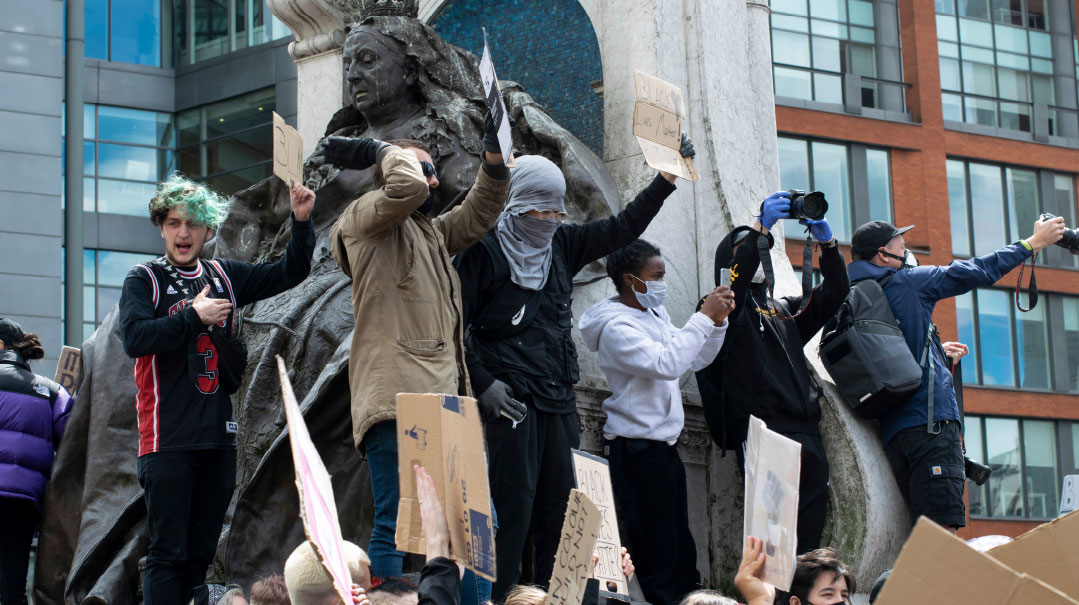
As Americans celebrated July 4 this week with fireworks and barbecues, for a growing number — and not only militant Black Lives Matter (BLM) protesters — the hymn to the “land of the free” rang increasingly hollow.
On the right side of the political aisle, the rise of “cancel culture,” an amorphous trend of social media attacks on those who express unprogressive views, has led many to question the cost of voicing the “wrong” opinions on race, gender, and politics.
Even for those who don’t engage in or put much stock in social media traffic, there’s a broader trend of silencing, shaming, or disenfranchising those who don’t march in lockstep with the leftist beat. In the long American culture wars, this is gearing up to be a crucial battle, where everything from politics, the media, higher education and business are arenas for conflict.
Recent victims range from the famous, like author J.K. Rowling, for supposed bigotry against gender-fluidity campaigners; to officials like Cormac J. Caney, a district judge in California, who according to the Los Angeles Times was forced to resign after praising an African-American clerk as “street-smart”; to a Latino man in San Diego who lost his job after being videoed unwittingly trailing his hands in what was claimed to be a white-power gesture.
Create a free account to keep reading.