“Everyone should understand that having pictures in the public domain means who sees them is out of your control”
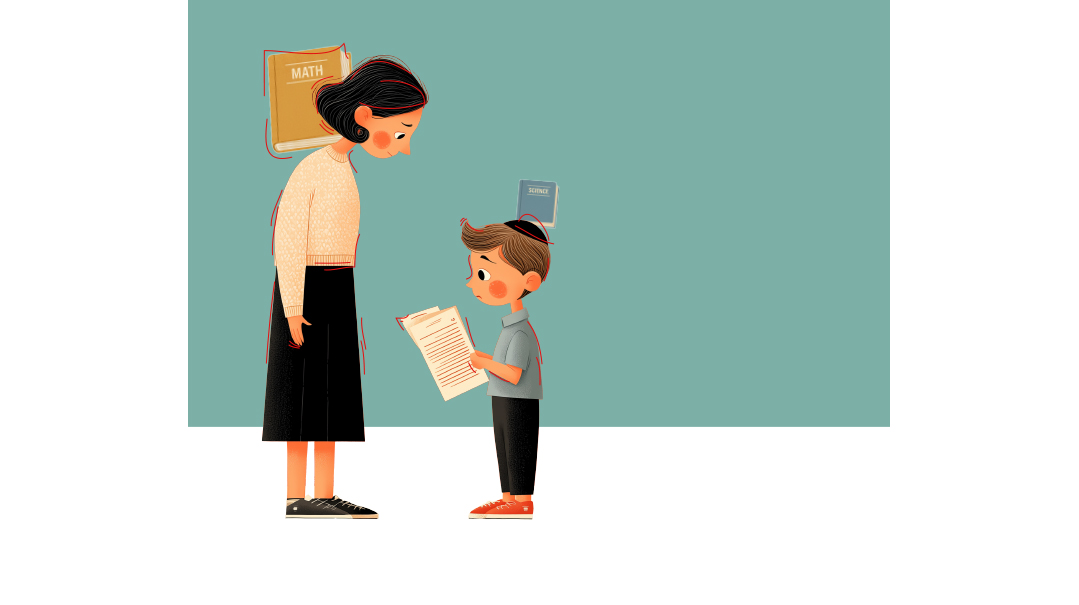
I read “A Little Too Late” about a principal who publicly punished a first-grade student who she later found out had been experiencing abuse at the hands of a neighborhood boy, with a sense of horror and heartbreak. The story was absolutely bone-chilling.
However, while the article rightfully emphasizes the devastation of misunderstanding a child’s struggles, I was deeply disturbed by another element that seemed to go unquestioned: the principal’s method of chinuch.
It’s clear that before she discovered the tragic backstory, she had no qualms about humiliating a little girl in front of her classmates. Public shaming, even of a child who has no “hidden” struggle, isn’t merely a poor educational approach — it is a soul-crushing violation of basic human dignity. That the principal only regretted her actions after learning the full story suggests that, had there been no tragic backstory, she would have considered her approach perfectly acceptable.
This story serves as a stark reminder of the power of our words and assumptions. While many schools today have moved away from harsh disciplinary methods, it’s still important to reflect on how we address children’s struggles. True chinuch isn’t about control, but about guiding with compassion and treating every child with inherent respect.
Create a free account to keep reading.