“There is no occasion in my life that gives me more pleasure and satisfaction than when I remember the celebration of Passover in 1862”
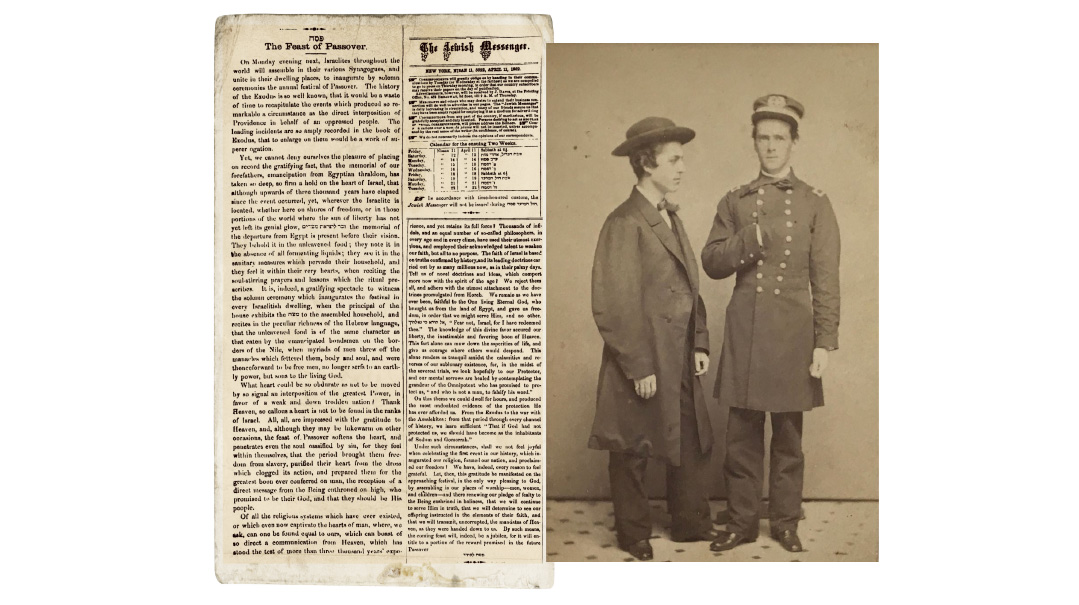
AS Pesach 1862 approached, a group of Jewish soldiers in the 23rd Ohio Infantry Regiment of the Union Army under Lieutenant Colonel (and future president) Rutherford B. Hayes wondered how they’d be able to celebrate the upcoming holiday under the battlefield conditions of the Civil War.
Informed of the dates of Pesach through correspondence with their families back home, the small band of co-religionists were granted temporary relief from duties in order to prepare for the holiday. From their winter quarters in West Virginia, they ordered a shipment of matzah from Cincinnati through one of the civilian traders licensed to sell supplies to combat troops in the field. Their order of seven barrels of matzah and two Haggadahs arrived on Erev Pesach, with no time to spare.
That Seder night was vividly recounted in a lengthy article titled “Passover: A Reminiscence of the War,” by Joseph A. Joel, one of the main participants. It was published in the Jewish Messenger on March 30, 1866, less than a year after the war’s end. Though Joseph seems to have either forgotten or embellished some of the details with the passage of time, the colorful description of Pesach in the Union Army is a unique account of religious observance by American Jews serving their country during the Civil War.
We were now able to keep the Seder nights, if we could only obtain the other requisites for that occasion. We held a consultation and decided to send parties to forage in the country while a party stayed to build a log hut for the services. About the middle of the afternoon, the foragers arrived, having been quite successful. We obtained two kegs of cider, a lamb, several chickens and some eggs. Horseradish or parsley we could not obtain, but in lieu we found a weed whose bitterness, I apprehend, exceeded anything our forefathers “enjoyed.”
Create a free account to keep reading.