Tu B’Shevat is deeply rooted in the most important aspects of creation
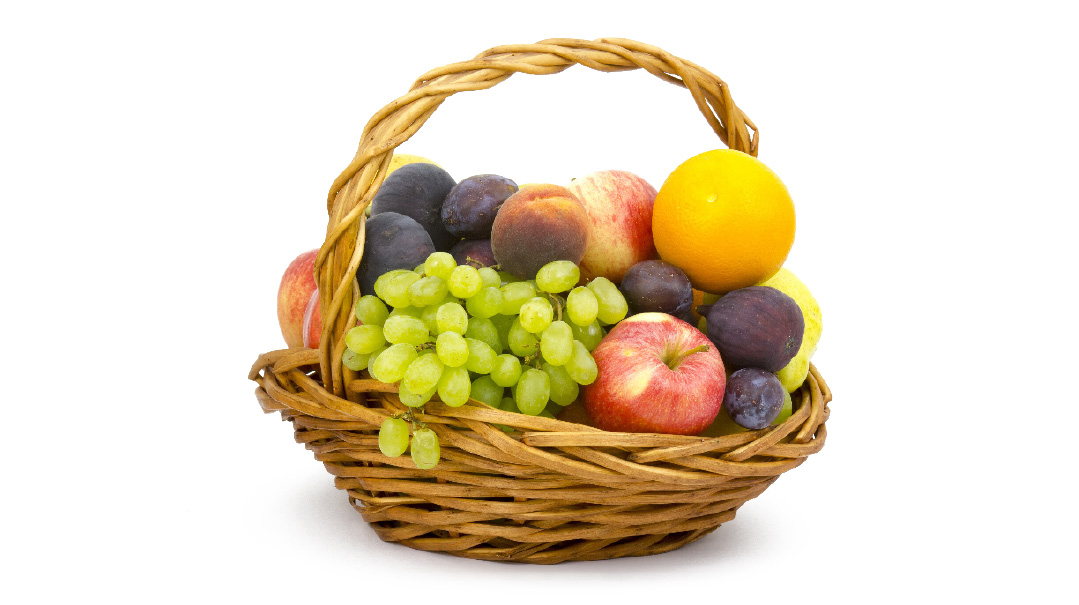
Shulchan Aruch (Orach Chaim 131:6) rules that Tachanun is not recited on the 15th day of Shevat. Magen Avraham (se’if katan 16) explains that this is because it is the Rosh Hashanah for trees, and adds that there is a custom among Ashkenazim to eat fruits on this day.
Before analyzing these rulings, it is important to understand that the concept of Tu B’Shevat as a “Rosh Hashanah” for trees is halachic in nature. Maaser can only be taken from fruits grown in the same season as the fruits used for the tithe. The fruits’ season is determined by the moment of “chanatah” — the earliest stage in their development. Fruits whose chanatah precedes Tu B’Shevat belong to the previous year’s crop, and those whose chanatah postdate Tu B’Shevat are considered part of the new year’s crop.
Knowing this, the question arises as to why we would omit Tachanun on such a day. The function of Tu B’Shevat seems entirely technical in nature — why is it accorded celebratory status?
Secondly, we must understand the custom of eating fruit on this day. If Tu B’Shevat is the day on which the fruits first begin to bud — then it marks a point in time when the fruits are not yet even in existence.
Create a free account to keep reading.