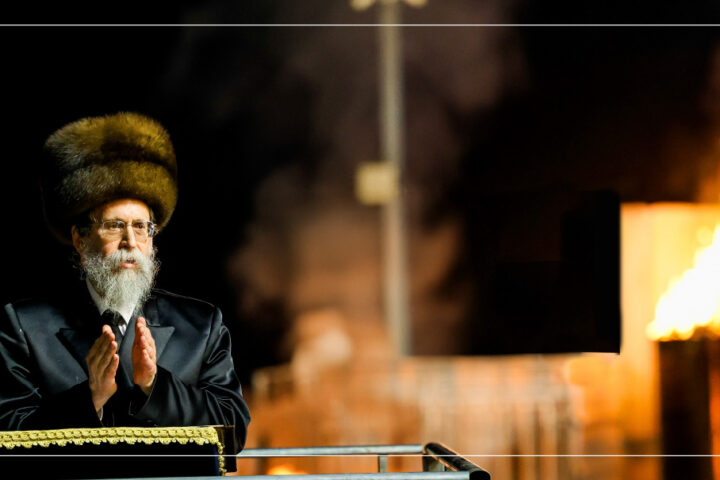
Spiritual resilience can be understood as the ability to stay close to Hashem during challenges

Resilience seems to be one of the buzzwords of this pandemic. Why are some people more resilient than others during challenging times, and what can we do to strengthen our own resilience? It seems like there are two different types of people when it comes to pandemics: the survivors and the thrivers. The difference really is about how people respond to stress and upheaval. The survivors struggle to adapt but manage to get by, while the thrivers take advantage of the challenge presented to them as a springboard for growth.
I’ve been thinking about how this is true in relation to spiritual resilience as well. If resilience is the ability to bounce back in the face of adversity, spiritual resilience can be understood as the ability to stay close to Hashem during challenges. Some use those challenges as a spiritual motivator for themselves and those around them, and others seem to be treading water in survival mode as they struggle to stay connected to Hashem.
We can each think of our own spiritual level over the past eight months. Was it difficult to pivot to davening at home? Was it difficult returning to shul? Did the private worship feel authentic, or were you eager to rely again on the usual communal constructs? Has your emunah been bolstered during the challenges that COVID presented, or has it taken a hit? In the overwhelming moments, do you struggle with your spiritual obligations, or do you more readily turn to Hashem, Torah, and mitzvos as a source of comfort and support?
Between lockdowns, virtual schooling, working from home, possible illness, and other significant disruptors, many have found that it has been difficult to add anything to their plates these past months. Yet the Yamim Tovim came as scheduled on the Jewish calendar and preparations needed to be made. Parents were juggling working remote with Zoom schooling, but the house still needed to be cleaned for Pesach. The regular religious obligations, such as davening and Torah learning, still need space, even though so many new requirements and realities have crammed up our schedules. The question is, are they just another thing to add to the overwhelming to-do list of the day, or is it in fact that very commitment to Yiddishkeit that gets us through the day?
Create a free account to keep reading.