The 21percent of people who don’t like their first names
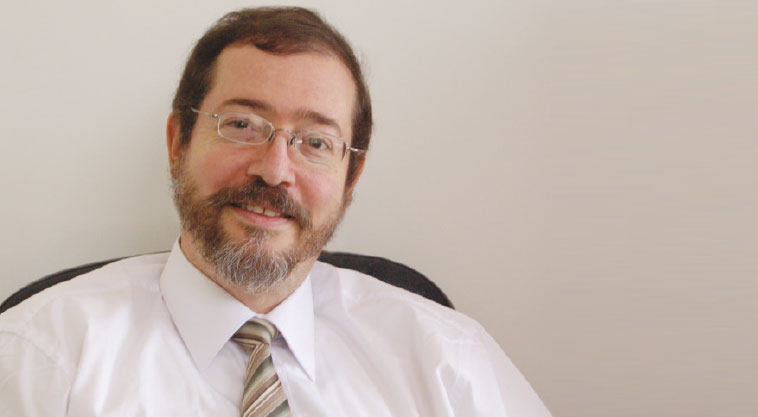
Arthur Brooks, until recently the head of the American Enterprise Institute, a leading Washington, D.C., conservative think tank, is a very interesting fellow. He spent a decade playing the French horn with a symphony orchestra, but is far better known as a social scientist and a writer on themes like happiness and giving.
He’s also, by his own admission, among the 21 percent of people who don’t like their first names. He writes that ever since he was a child, he has cringed a bit whenever he hears someone say his name. “One of my earliest memories,” he wrote two years ago, “is of a lady in a department store asking me my name and bursting out laughing when I said, ‘Arthur.’ Before you judge that lady, let’s acknowledge that it is actually pretty amusing to meet a little kid with an old man’s name…. One thing I constantly hear from people I meet for the first time is, ‘I imagined you as being much older.’ I don’t take this as flattery, because at 54, I’m really not that young. What they are saying is that they imagined someone about 100 years old.”
(This isn’t something to which, for the most part, people with Jewish names can relate. Unless, of course, your name is Alter, which actually means “old one.” One can’t be faulted for suppressing a chuckle at a bris when he hears “…v’yikarei shemo b’Yisrael Alter” as the eight-day-old infant wails.)
Citing Social Security Administration records, Mr. Brooks notes that Arthur “maxed out in popularity back in the ’90s. That is, the 1890s. It has fallen like a rock in popularity since then. I was named after my grandfather, and even he complained that his name made him sound old. Currently, ‘Arthur’ doesn’t even crack the top 200 boys’ names.” And so, he writes, “I once heard that to have an aversion to a name is a condition called nomomisia. I suppose you would say I suffer from autonomomisia. Yes, I am an autonomomisist.”
Create a free account to keep reading.