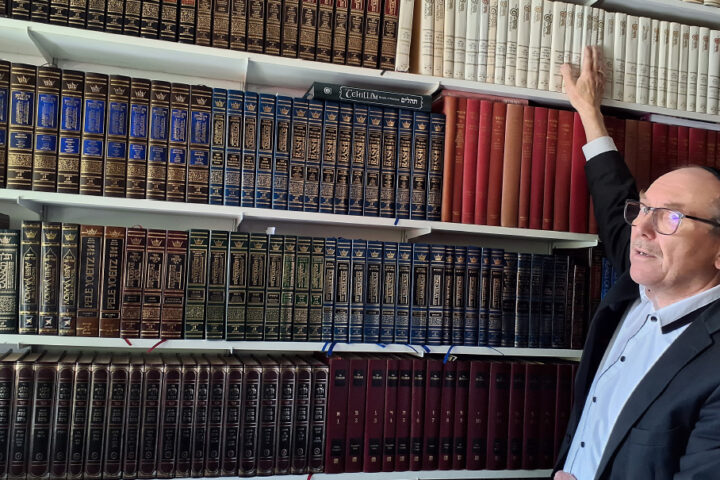
Dr. Rosalyn Livshin is a British historian who collects oral testimonies from refugees and Holocaust survivors
In the course of my career, working with eight different major projects and organizations, including the Shoah Foundation and the British Library, I must have interviewed around 200 refugees and survivors, arguably more than anyone else in Britain. I’m still doing interviews today, although obviously the number of survivors is much fewer now — I’ve just been told of a survivor who’s in her nineties and has quite a story to tell, and am in the process of setting up an interview.
When I started doing this, it was the first time these survivors were telling their stories. Until then, they’d pushed their experiences aside. They often hadn’t even talked to their children or spouses about it, and listening to these interviews was often the first their immediate families heard about their experiences.
People will actually relive the feelings and emotions when sharing their stories, however many years later, and they will cry. Steering them past this to continue the interview can be tricky. I always make sure there is a box of tissues next to them, and a glass of water, and give them space to make use of these when necessary. I always keep recording unless they ask us to stop, because showing their ongoing suffering is a very integral part of the testimony recording. After a few minutes giving them space, I then ask, “What happened next?” and this encourages them to collect their thoughts and move beyond that painful picture. I’ve never had to stop an interview. However painful it is, people want to tell their story; they want it to be known.
I’ll never forget the first interview I did. It’s not possible to forget the first one. My family was in England during the war, and my father and uncle fought in the British army, but some of my husband’s family had been in Europe, and this interview was with his mother’s cousin. She’d been born in Lithuania, and hid in the forests with her sister when the killing squads arrived. She’d spent the war fighting alongside the local partisans, and had the most amazing story to tell — and I was the first to hear it. She hadn’t even told her daughter.
Create a free account to keep reading.