Should parents hide their stress from their children?
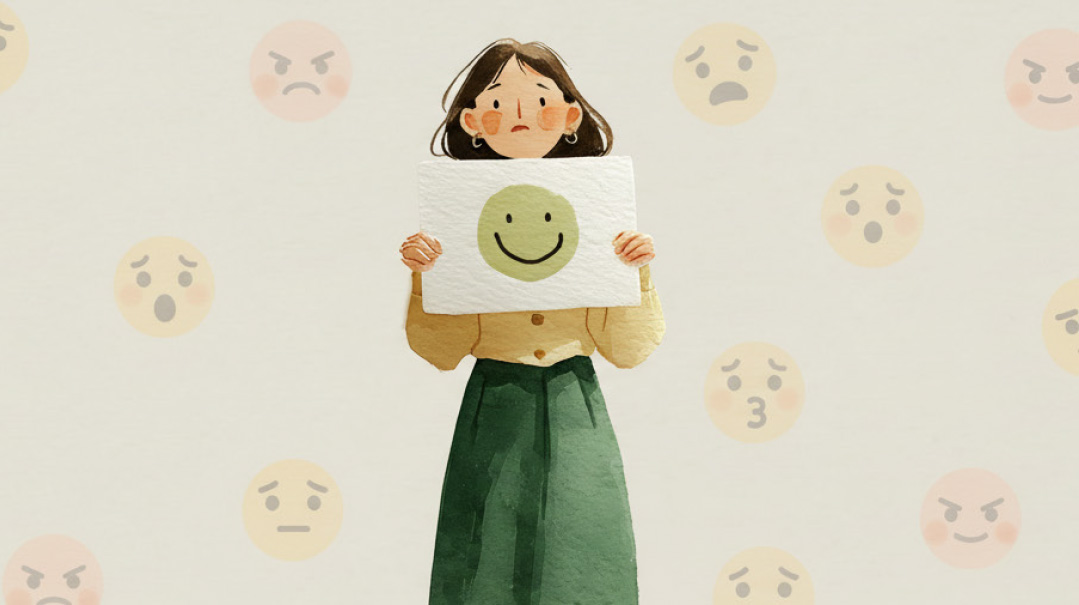
You’ve raised some really important questions. Parents are people and people have feelings — plenty of them! Trying to hide one’s stress day after day, year after year, would involve so much suppression on the adult’s part that she could become at risk for physical diseases or emotional disorders. At the same time, acting as if one has only one emotion — happy — would give one’s children a distorted emotional education. There are five main categories of feelings: happy, sad, mad, scared, and confused. Giving children the impression that we’re “stuck” in the “happy” category would certainly, as you yourself suggest, create confusion in the child who finds him or herself in another category, if even temporarily.
However, parental emotional expressiveness is only part of the picture. Emotional and behavioral regulation are equally important. Chronic exposure to a parent’s bad mood or personal stress can become overwhelming for a child. This overwhelm can occur when the parent is experiencing stress too often or too intensely.
Overwhelm is also produced when a child is too young to understand much about the parent’s stress. For instance, all children are too young to understand what marital stress is all about. Most children cannot grasp the full impact and nature of extended-family-induced stress, financial stress, the stress brought on by loss or illness, or even the stress triggered by heavy or unremitting responsibility.
The younger the child, the more confusing adult stress will be, but even teenagers should not be privy to the details of parental stress. Older kids, teens, and young adult children need to be busy with the appropriate stresses of their own lives, free of needing to worry about adult stress that they can neither relieve nor fully process.
Create a free account to keep reading.