Beneath the public eye, there was more, a current of chesed that laced through his days, almost unnoticed
 A
A

cousin of the Loebensteins called on Chol Hamoed Pesach from Switzerland. Was Meir okay? It was the first time in decades that he hadn’t received a Gut Yom Tov phone call from him.
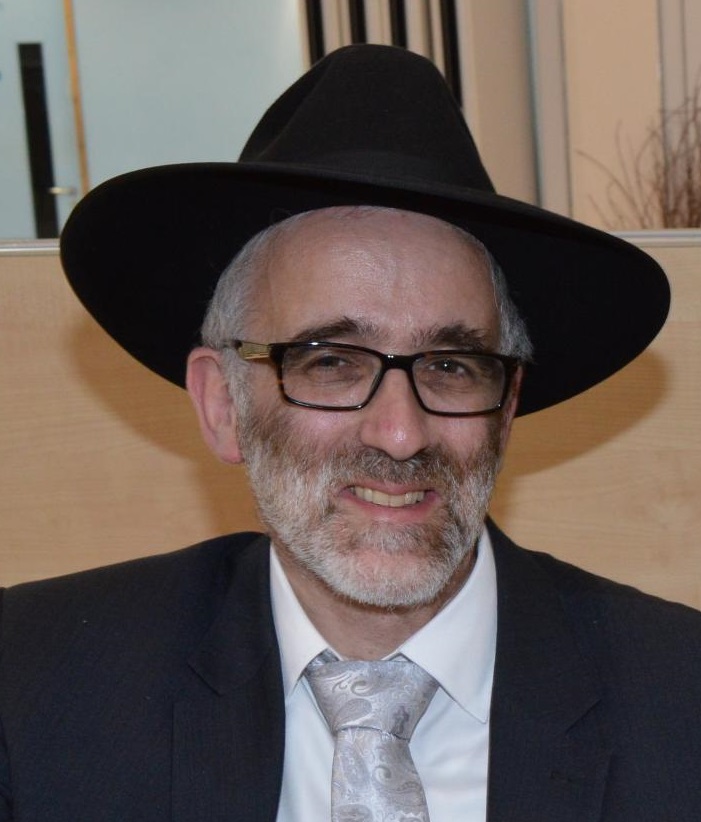
He wasn’t. Always fit and healthy, and just 59 years old, Meir was fighting for his life in the COVID ICU.
All his life, Meir Loebenstein had been there for others, as if blessed with a sixth sense to know what they needed, and get it done. Meir Loebenstein was that caring neighbor who didn’t need to be asked, didn’t talk, just took his neighbors’ excess garbage to the city dump after a simchah. Who without being asked, personally delivered 80 chairs to a friend who was hosting a sheva brachos. On an icy December night in his hometown of Manchester, he showed up at the hospital with chocolate, food, and a Chumash for an acquaintance who had rushed to the emergency room with an ill child. He then drove him home to pick up his own car.
A genius at making others feel cared for, he called his widowed sister daily, his aunts and uncles weekly, and all relatives when they celebrated simchahs. Even family members in Australia were not exempt. One aunt, who had suffered a stroke and was in a nursing home for years, couldn’t even hold the phone. But each week, the nursing staff brought the phone to her, saying, “You have a call from Meir in England.” Those present saw her face light up — she had not been forgotten. If, when Meir called her on Thursday, his aunt was sleeping or unavailable, he would call again on Friday. Australia being ten hours ahead of England, and Shabbos coming in early, this could mean getting up at four a.m. on Friday morning to wish his aunt a good Shabbos. Not a problem.
Create a free account to keep reading.