She was a successful craftswoman, businesswoman, and customer relations specialist — but she was always a mother first
W

hen the Gluck children would come home from school, they never headed for the front door. Instead, they would go around to the back of their Boro Park home and bend low to open the slanted, double doors of the basement. There they would be greeted by the warmth of their mother’s welcome and the heavenly aroma of her acclaimed baked goods.
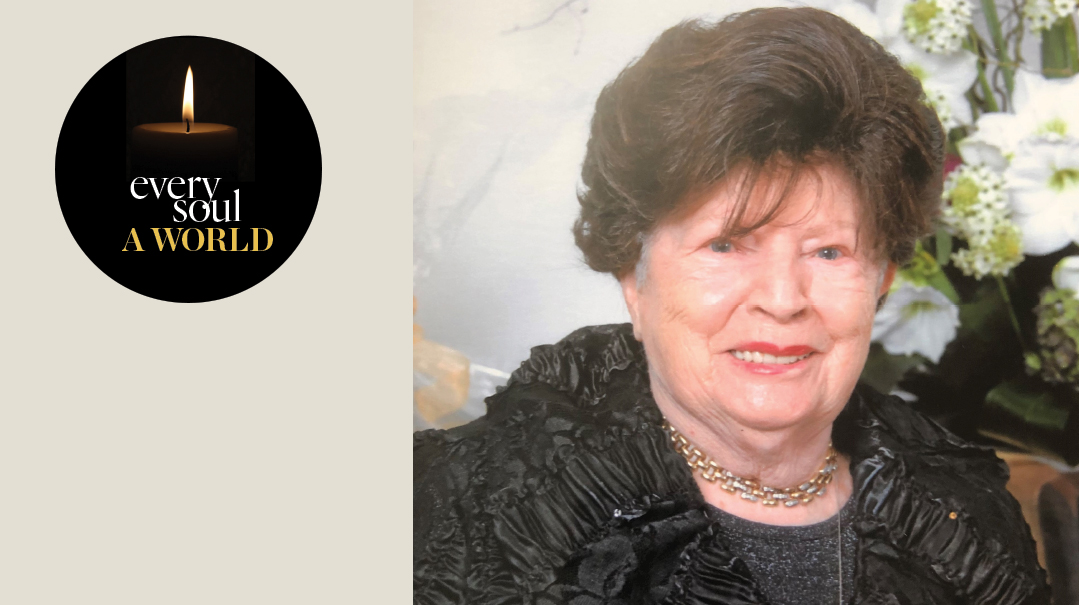
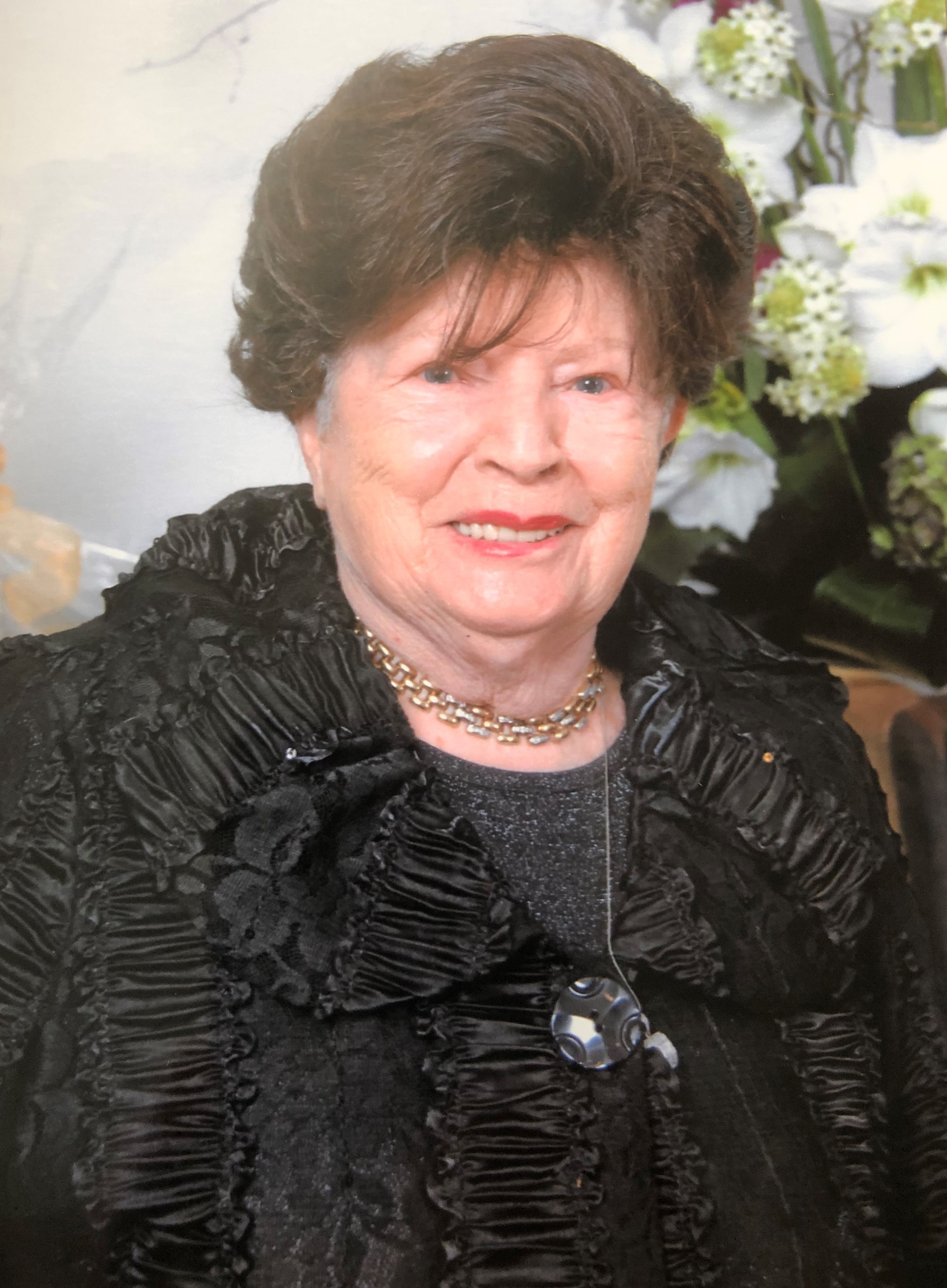
In the 1970s, before it was usual for heimishe women to run their own business, Mrs. Rochel Gluck started baking as a labor of love, selling home-baked Yom Tov and simchah cakes to friends and family. After her husband suffered a life-threatening heart attack, her hobby turned into a full-time business and provided parnassah for her young family. Mrs. Gluck used only the best hashgachos and adhered to the highest standards of kashrus. This, coupled with her classic and iconic product, made for a winning combination. Through word of mouth, “Mrs. Gluck’s Cakes” became a simchah necessity and were sought after throughout Boro Park. Her specialty cakes included her famous Hungarian Nut Cake and her black-and-white checkerboard cake, and till today they are remembered with nostalgia.
Despite the heat of her kitchen, Mrs. Rochel Gluck could always be found neatly attired, sheitel in place and wearing her trademark deep-pink lipstick. She ran her business with minimal outside help, using a mental filing system that maintained everything — recipes, orders, and purchasing. For almost 40 years she kept all the balls in the air, working from early morning till late at night. Yet never a day went by in which she did not express how lucky she was and how much she loved her job. Mrs. Gluck was a true people person, and she shared sage advice and the gift of friendship with her customers. She was a successful craftswoman, businesswoman, and customer relations specialist — but she was always a mother first.
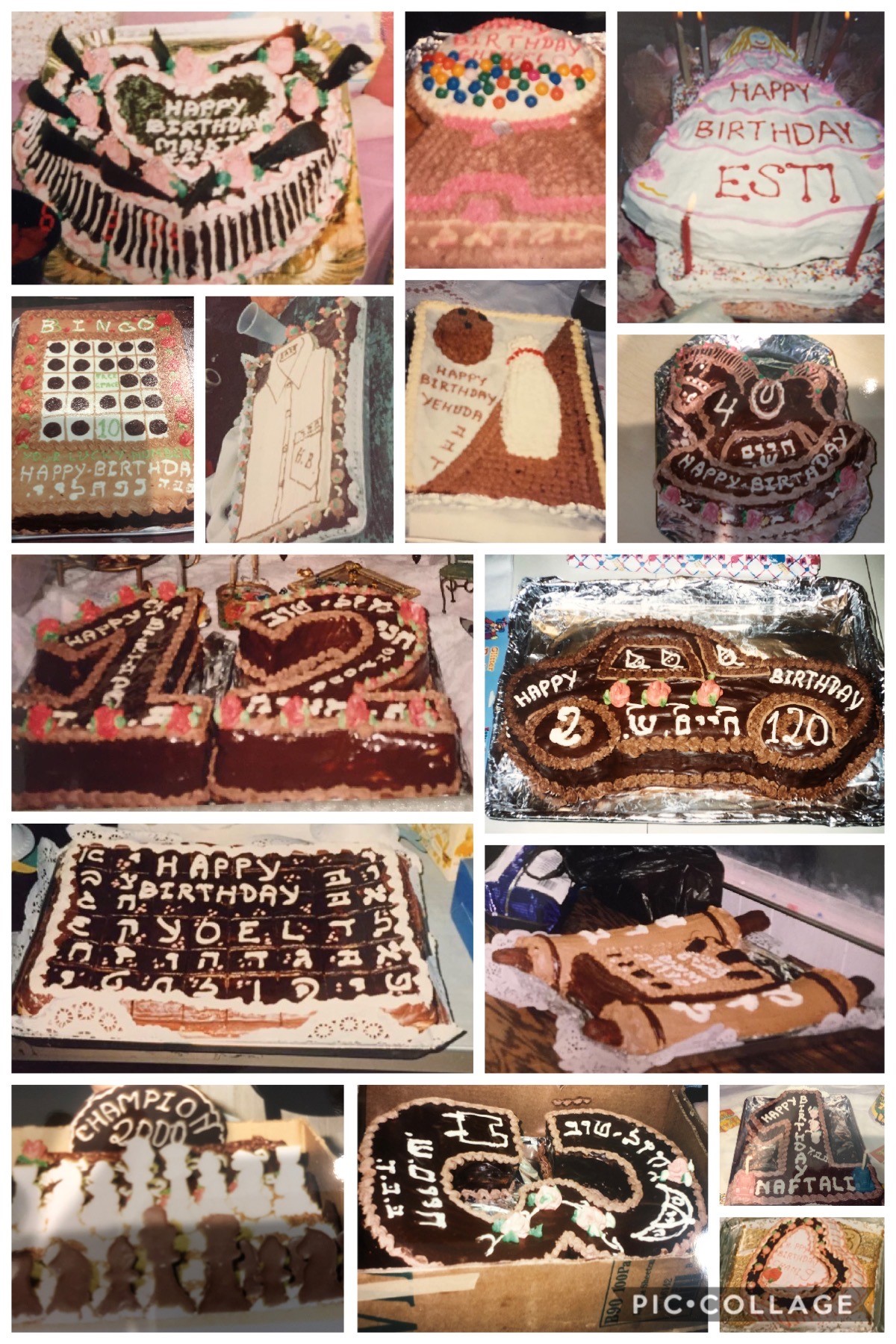
“My mother was ahead of her time when it came to child-rearing,” her daughter, Mrs. Sara Aszkenazy, attests. Before it became popular for educators and therapists to lecture about listening to your children and acknowledging their feelings, Mrs. Gluck was ahead of the curve. “We would never be scared to tell her if we did something wrong,” her daughter, Mrs. Rivky Tessler, adds. “She was always understanding. When she went to PTA, she would be respectful and would listen, but she had the life-smarts to understand children. Her message was always clear, and the lesson was one of confidence. ‘Everyone messes up sometimes, it doesn’t make you a bad person. You’ll do better next time.’ ”
Create a free account to keep reading.