In a pluralistic country, no group has the right to dictate that public spaces or facilities operate according to their cultural norms
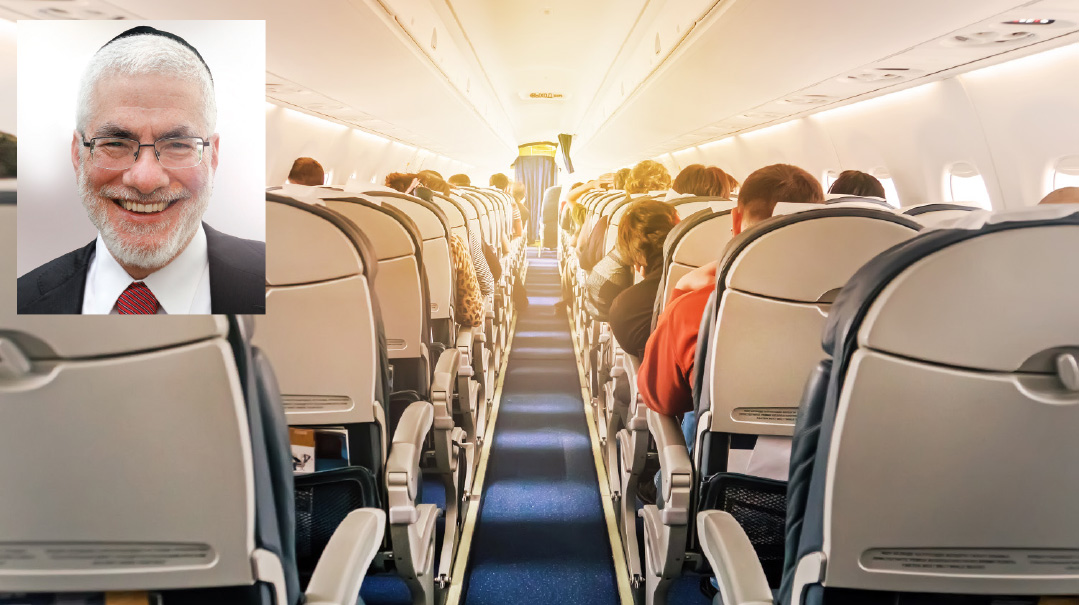
Seating disputes on overseas flights and on domestic buses are among the hardy perennials of secular-religious tension in Israel. Anyone who flies there frequently has experienced flights delayed by passenger demands to be moved to a different seat — usually one not next to a woman. And over the years, various efforts have been made, particularly on bus routes primarily serving the chareidi population, to establish separate seating sections for men and women.
In recent years, tensions over seating on buses at least seemed to have abated. But the issue has heated up once again, due to the efforts of demonstrators to oust the Netanyahu-led government.
A large part of the demonstrators’ narrative is that the rapidly growing chareidi population seeks to impose its values on the secular population, and, in particular, to impose severe restrictions on women, with respect to how they dress and where they sit on public transportation. At the large demonstration this past Motzaei Shabbos, all the speakers were women, to highlight the struggle for “women’s rights.”
The extremely well-organized and well-financed opposition has deliberately staged provocations designed to bring the “pushing women aside” issue to the fore. In one such incident, a group of bathing-suit-clad teenage girls got on a bus in Ashdod that was headed for a separate men’s beach. The bus driver told them to sit in the back of the bus. The girls subsequently told a Jerusalem Post reporter that they felt “helpless and humiliated” because the passengers on the bus “looked away from us to the floor. There were only chareidi people on the bus, and they did not react.”
Create a free account to keep reading.