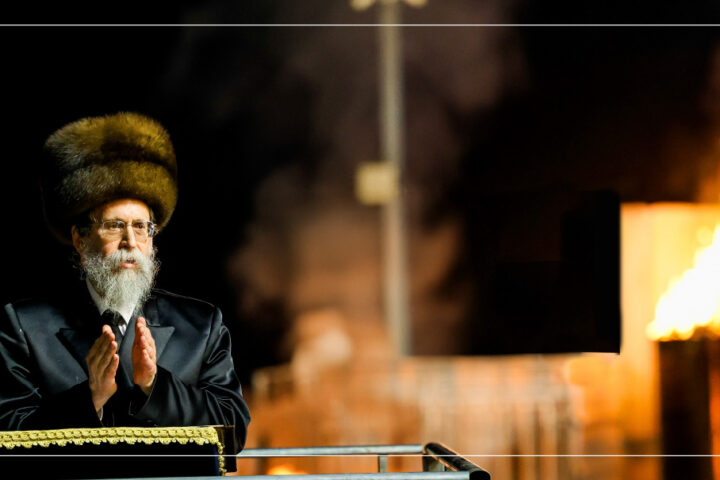
Armed with tefillin and neiros, Riki Siton is fighting to free the hostages
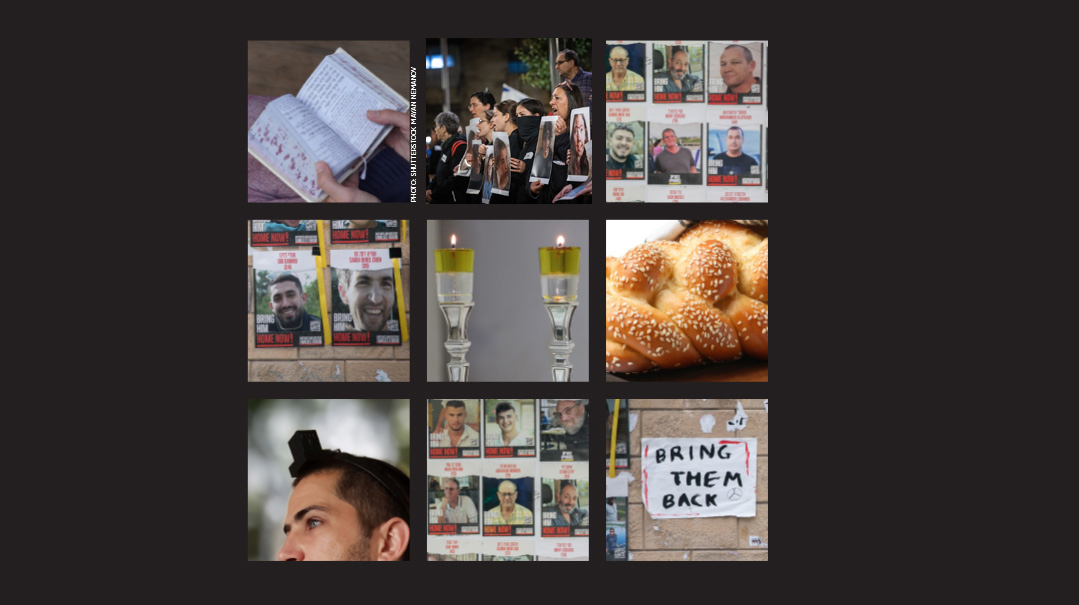
When Riki Siton rode the elevator up to the Mateh Hachatufim in October, she questioned her sanity. “I asked myself, ‘What am I thinking coming here? I’m a chareidi woman from Bnei Brak! How can I look someone whose child is being held hostage in Gaza, in the eye?! What can I possibly say?’ ”
Instinct told her to do an about-face and return home, but Hashgachah intervened. At that moment, the elevator doors opened and Sheli Shemtov — whose 24-year-old son Omer was taken hostage on October 7 — looked straight at Riki, and with a broad smile said, “Achoti hachareidi, thank you for coming, we were hoping you would come. Please, bring your friends!” Immediately after she’d heard her son had been kidnapped, Sheli had called for achdus among Am Yisrael.
Riki is a program director at Ayelet Hashachar, a renowned Israeli bridge-building and Jewish education organization, and today also spearheads a movement of women backed by Ayelet Hashachar, who endeavor to bring a frum presence to the Mateh Hachatufim. I catch her at nine p.m., when she’s in her car, on the road up north to deliver tefillin to a man interested in keeping the mitzvah as a zechus for the hostages’ return. She’s accompanied by Julie Cooperstein, the mother of 20-year-old hostage Bar (Bar ben Julie), who was also kidnapped from the music festival, where he was part of the security team.
Riki tells me how her involvement with the Mateh Hachatufim began. “Often groups of secular people visit Bnei Brak to see how chareidim live,” Riki tells me over the phone. “I’ve never advertised. Somehow they find me. Some of them come through government programs, others by word of mouth. So someone from Hod Hasharon reached out to me at the beginning of the war, someone who’d once been in my house on one of these trips. This woman asked me, ‘Where are the chareidim? Why aren’t they visiting the families of the hostages? Do they care? You know a lot of people, bring them so the hostages’ families will see that their plight matters to the chareidi world as well.’
Create a free account to keep reading.