I’m still tied to a tradition stemming all the way back to the First Temple
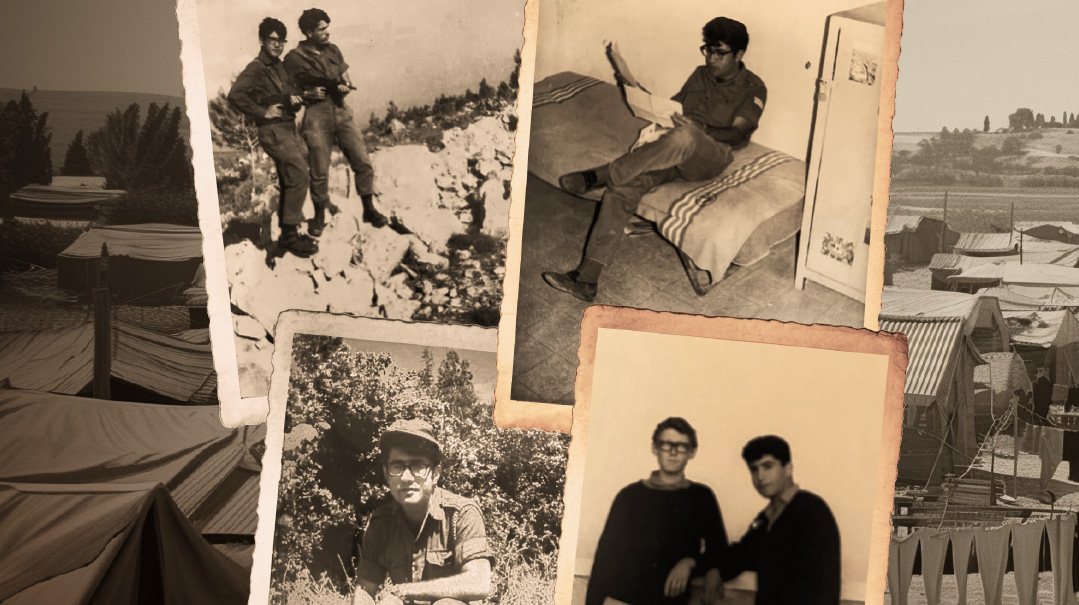
With the sudden rise in aliyah from Muslim countries throughout the Middle East, the new state was faced with the significant task of finding housing for its hundreds of thousands of new citizens. At first, we were placed with other Middle Eastern Jews in a tent city near Hadera, with no electricity and no running water — this was the fate of the Jews who came from Muslim countries. This situation was untenable, and the government had to work quickly to find a new solution.
During the War of Independence in 1948, many Arabs — encouraged by their leaders — abandoned their homes in neighborhoods throughout Yerushalayim. Some of those areas were later appropriated to provide housing for the influx of new immigrants. Our family was moved to a barren field in the southern Yerushalayim neighborhood of Talpiot, where we settled in a transit camp — a ma’abarah — consisting of temporary tin huts. It was an upgrade from tents, though not by much. For our first four years in Israel, we had no electricity or indoor plumbing.
During the winter rains, you could hear the drops pelting the tin, scaring the children, who would start crying. Outside the hut, you’d sink in the heavy mud created by the rain. There was no heat in the winter, when Yerushalayim can be very damp and cold, and in the summer the huts would become like ovens, with no trees to take cover from the blazing sun. There was no sanitation, no bathrooms, and no running water. We had to walk to the communal well to draw water. Purchasing basic food items like eggs, oil, sugar, or tea required showing the store owner vouchers issued by the government. The vouchers were limited, to ensure that demand did not exceed supply, as food items were scarce. Malnutrition and diseases among children and the elderly were rampant.
Aside from the difficulties of the ma’abarot themselves, by sticking thousands of Middle Eastern Jews from different cultures in extremely close quarters, many arguments and culture clashes broke out. Additionally, the Talpiot ma’abarah was close to the Jordanian border, with no clear border demarcation. Jews would often hear shots from the nearby border, and those who got too close to the unmarked border were killed or wounded.
Create a free account to keep reading.