The Biden-Lapid meeting looks more like an ill-timed and ill-advised visit, with risks— to both countries— that outweigh the rewards
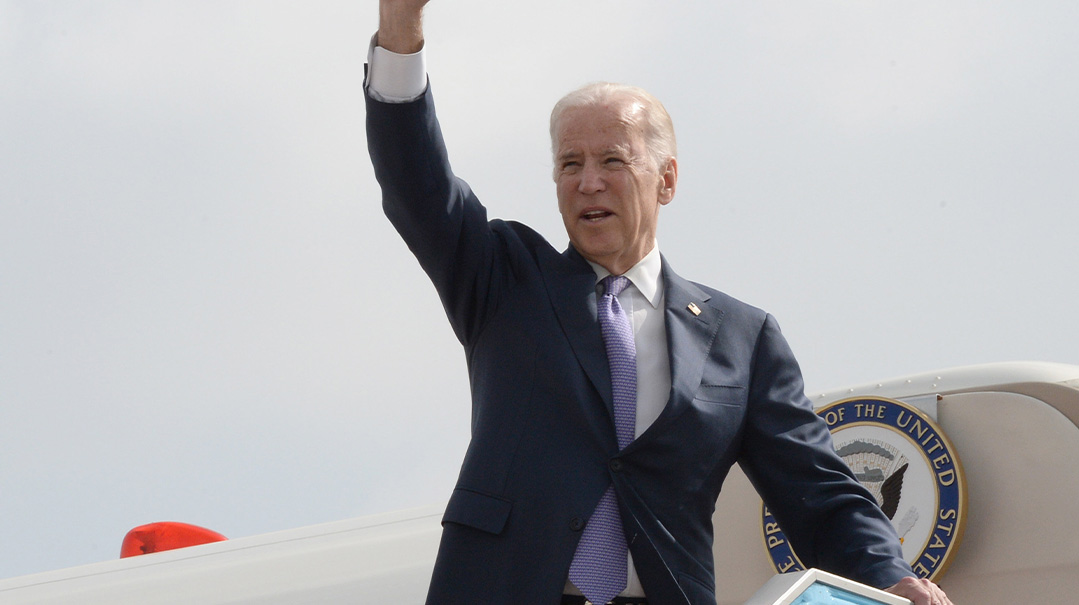
Nearly 50 years later, President Joe Biden, on the eve of his meeting with Israel’s provisional prime minister Yair Lapid, Biden, in a Washington Post op-ed, stressed the urgency of restoring the nuclear deal with Iran, even though — to paraphrase a famous Nixon expression — it should be “perfectly clear” that Iran’s nuclear program is a regional menace.
The political irony doesn’t end there.
When Nixon landed in Israel, he was standing on his last political legs. Each new day produced another damaging revelation linking him directly to the Watergate scandal. Nixon resigned from office in disgrace two months later. Israel, at the time, was the epitome of political stability. Rabin’s “Alignment” party held 51 Knesset seats, enjoyed a comfortable parliamentary majority, and lasted in power for three years.
No one expects Biden to be out of office two months after leaving Israel, but more Democrats are murmuring about finding a new presidential candidate for 2024. New York Times chief White House correspondent Peter Baker echoed this sentiment over the weekend, noting that Biden’s “age has increasingly become an uncomfortable issue for him, his team, and his party.”
To his credit, Biden scheduled Israel as his first stop, and Saudi Arabia second, as opposed to Donald Trump’s 2017 visit, when he touched down in Saudi Arabia before Israel. Biden’s strategy is to make a symbolic gesture with a direct flight from Israel to Saudi Arabia, but unless it’s followed up by an arrangement that allows outbound Israeli planes to fly over Saudi airspace, Biden’s standalone flight will be meaningless.
Create a free account to keep reading.