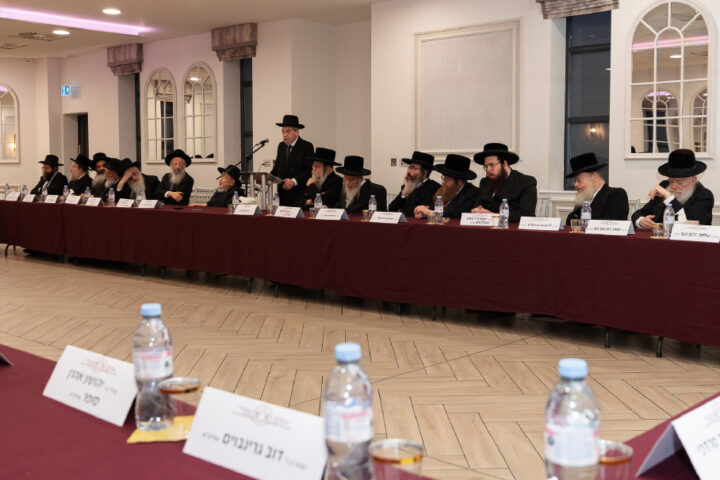
Executive directors of nonprofits oversee the work being carried out by the various departments within their organizations

Executive directors of nonprofits oversee the work being carried out by the various departments within their organizations. Beyond managing administration activities, they are also in charge of long-term planning. This includes:
An executive director can serve in a variety of nonprofit organizations, such as schools, tzedakah organizations, political organizations, public clinics or hospitals, professional associations, museums, and many more.
Many organizations require their executive directors to hold a master’s degree or doctorate in public administration, business administration, or a similarly relevant field. Some executive directors may also take coursework in fields specific to their organization — for example, health care administration or educational administration. Many executive directors also find it helpful to take leadership training programs to develop their management skills.
A good executive director has excellent leadership skills, confidence, and solid people skills. He’s also a good communicator and listener, compassionate, organized, good at problem-solving, flexible, can see the big picture, and knows how to both manage and delegate to employees.
Create a free account to keep reading.