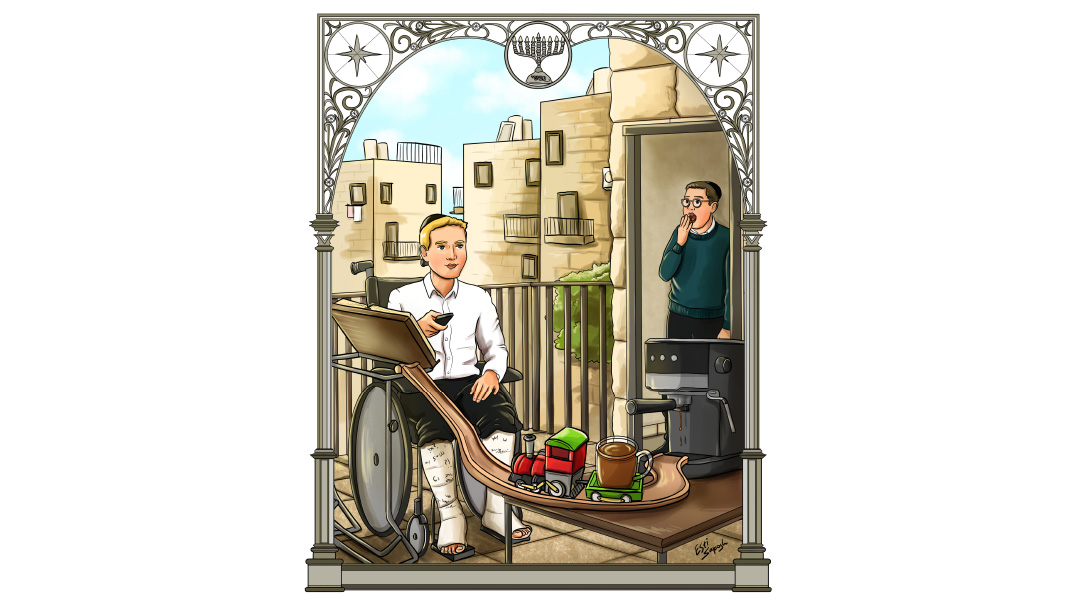
What's at stake for chareidim in Israel's upcoming elections?
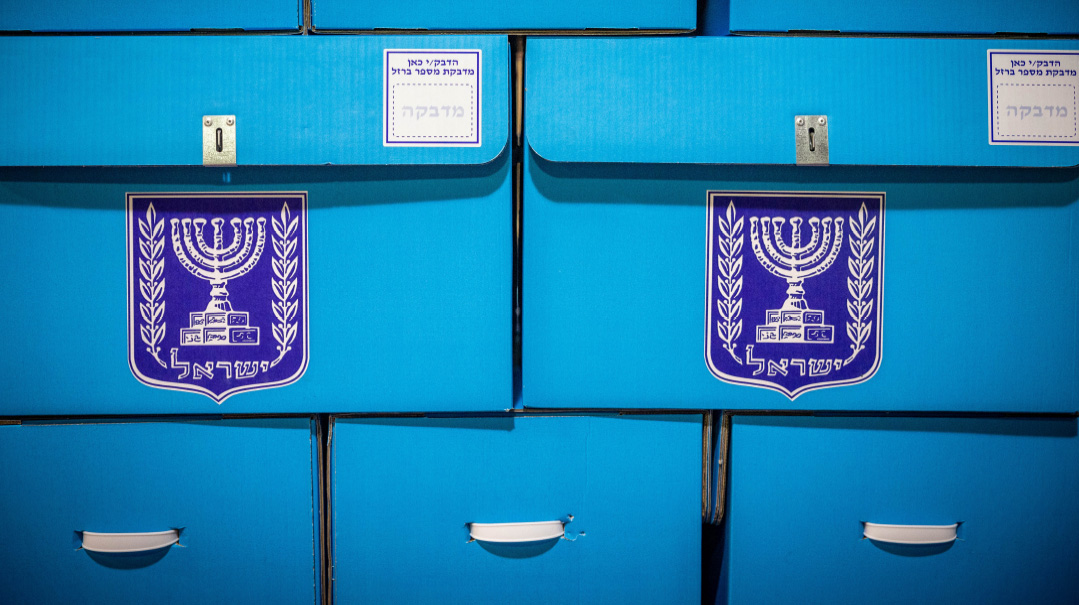
Most Israeli voters hope and pray that the November 1 election will produce a conclusive answer as to whether Binyamin Netanyahu gets one more chance to lead, or if his time has come to get out of the way.
While the election is a matter of political life or death for Bibi, it is equally critical for the Knesset’s two chareidi parties, Shas and United Torah Judaism (UTJ). Both parties have faithfully cast their lot with Bibi and his center-right Likud Party, only to end up as political castaways, marginalized in the opposition for the last 18 months, while a left-wing government took dead aim at everything sacred to them.
Led by Naftali Bennett, and followed up by Yair Lapid, the government has watered down the status quo on Shabbos, kashrus, and conversions. The Ministry of Finance, wrapped up in Avigdor Lieberman’s bear hug, targeted chareidim for budget cuts for everything from day care to public transportation, and imposed higher taxes on goods consumed disproportionately by chareidi families, such as disposable cutlery and soft drinks.
“Getting a seat at the table” has become popular political parlance, and in a parliamentary democracy, the opposition gets no seats at the cabinet table, which is Israel’s center of power. The Likud’s decision to boycott Knesset committees to protest how Bennett and Lapid wrested power harmed chareidi interests as well. Shas and UTJ adhered to the boycott, out of loyalty to Bibi, but when you don’t even have a seat at committee hearings, you have surrendered any influence you might have over legislative debate.
Create a free account to keep reading.