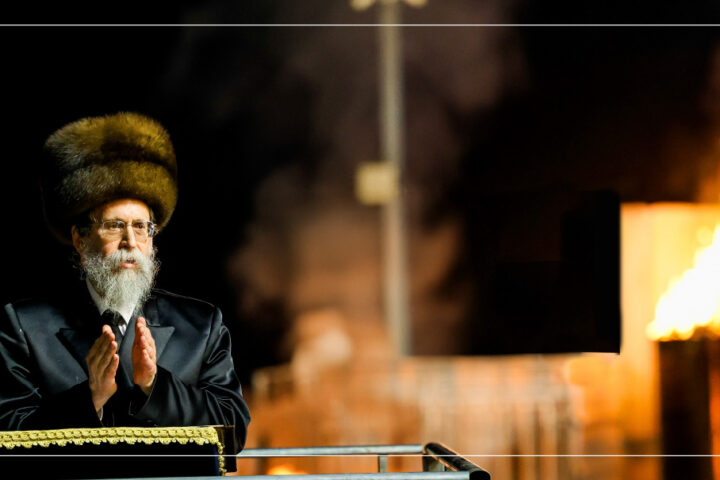
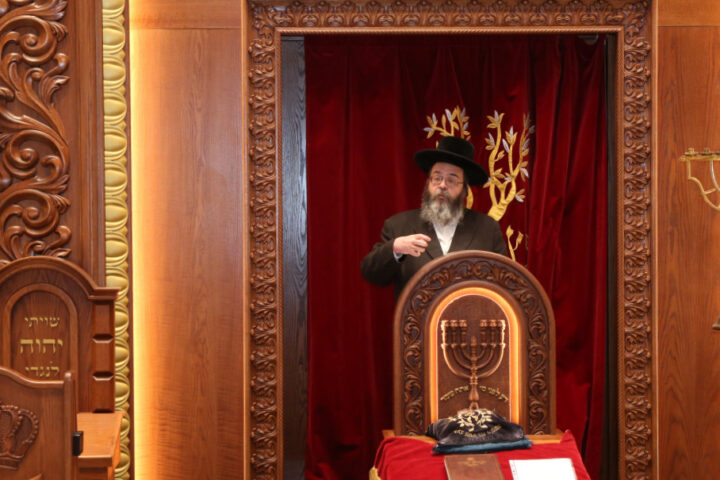
Hollywood is full of examples that peddle stereotypes, tropes, and inaccuracies about Orthodox Jews
This past summer, I was involved in a campaign to reclaim the narrative about Orthodox women from the megaphone of the entertainment industry, as one television series in particular made a targeted attempt to inaccurately represent our people. Thousands of frum women, representing the entire spectrum of Orthodoxy, utilized their voices on various online and print platforms to tell their stories, refuting the claims made against them and sharing the beauty of our lifestyle and beliefs. It was a moment not only for Orthodox women, but for Orthodox Judaism. As one non-Jewish woman posted on LinkedIn, “Tonight I wish I were an Orthodox Jewish woman. I am sure anyone seeing the beautiful rich posts of Esther, Shany, and Shterny would wish that too! These women are not just successful in their professional lives, but they are much more. They are devoted wives, caring mothers, and the best example of how a normal society should be.”
The campaign got press in both Jewish and secular media all over the world. Back in August, I mused with Rivkie Feiner, one of the contributors to the campaign, how incredible it would be if we could do a talk about this at the Agudah convention. And then much to my surprise and delight, we were later invited to speak at the livestreamed Thursday night session that took place this past Thanksgiving weekend.
Our panel was entitled, “Our Orthodox Lives: Breaking Stereotypes, Living Our Values.” Moderated by Mrs. Chanie Jacobowitz, vice president of government affairs for Beis Medrash Govoha, the panel addressed what we can do as frum women to properly represent ourselves to the outside world, whether it be in our involvement in politics, social media, or everyday community relations.
The essential questions at the root of the panel actually apply to all members of the frum community. Is it our job to combat the media’s negative portrayal of the Orthodox community, or is it better to ignore and not draw attention to it? How important is it for us to be concerned about how the outside world perceives us? When we speak out to combat stereotypes, what is our goal — to make ourselves feel validated because the negative portrayal of the frum community touches a nerve, or is it coming from a place of strength and proactive effort to change the narrative? Finally, how do we avoid the pitfalls of social media when we attempt to use it to break stereotypes about the Orthodox community?
Create a free account to keep reading.