Every living creature’s food differs drastically from one to the next — and from predator to plant, Hashem takes care of each one. Zayin has the same letters as zayan (sustainer), and Hashem is referred to in Bircas Hamazon as “hazan es hakol” — Sustainer of all.
But while animals find their meals “ready-to-eat,” man’s sustenance must be produced. Most of us aren’t farmers, but we know what goes into putting food on the table. Rav Hirsch explains that the letter zayin also means a weapon, because the struggle for parnassah is a battle of sorts.
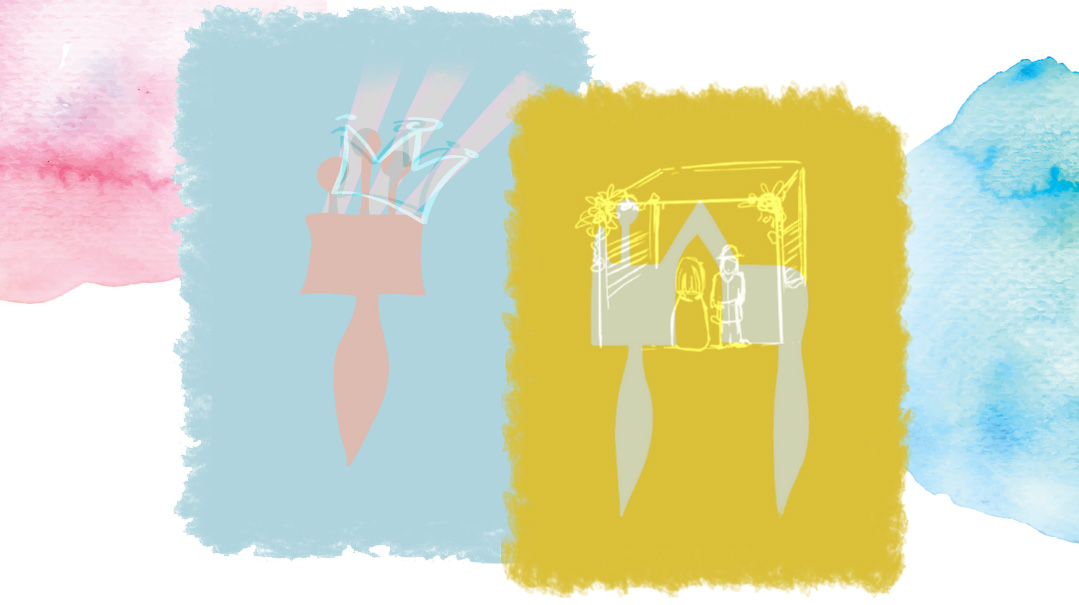
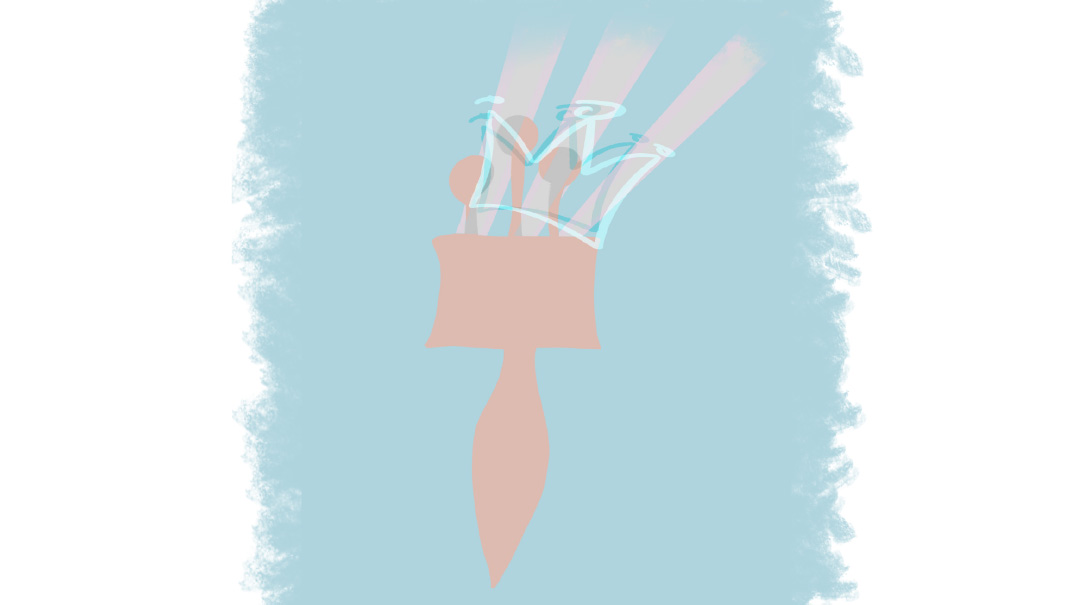
When you look at the letters written in a sefer Torah, some have what is called a “zayin” (a crown) on top. Each one of these crowns is actually a miniature zayin, and the letter zayin itself has three of them. The body of the zayin is similar to a spear, as well as to a scepter. The symbol of war is joined with the symbol of royalty, reminding us that as we fight for our survival, the King of the Universe is providing for us.
Adam Harishon was told: “b’zeias apecha tochal lechem — you will eat bread through the sweat of your brow “(Bereishis 3:19). The main staple of Man’s diet, bread, is called “lechem,” which shares a root with the word milchamah, war. Before Adam sinned, it was clear that sustenance came directly from Hashem. Once Adam was given this curse, it became a constant battle for us to see that Hashem is providing for us.
Create a free account to keep reading.