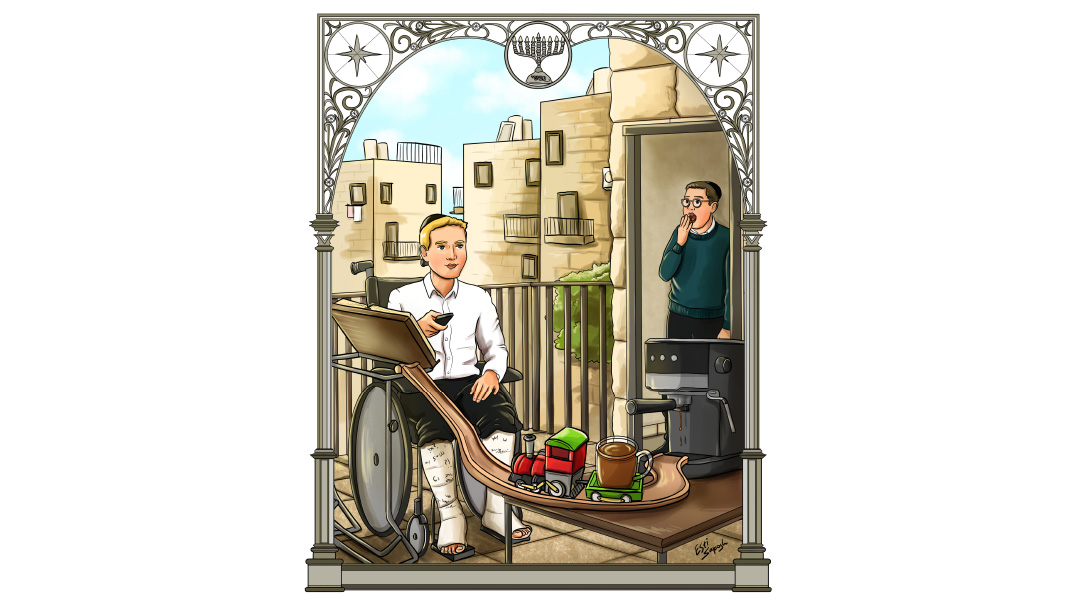
What's a mother's role after her daughter has a home of their own? Mothers and newlyweds debate
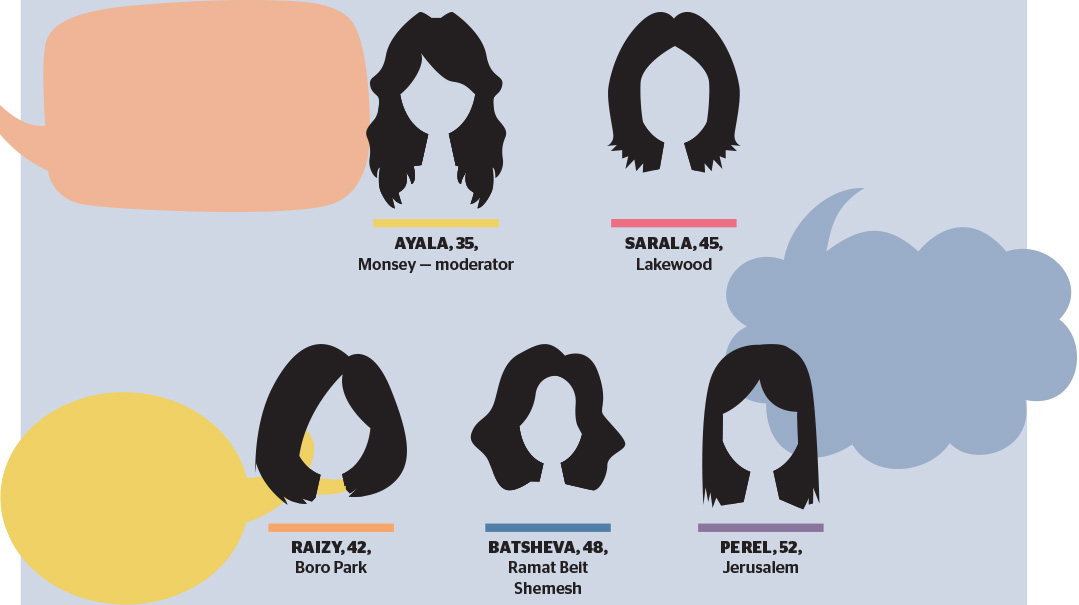
When I got married, I was terrified of making Shabbos, because I’d never been in the kitchen — I hate cooking. But I was so excited to be home, to spend time with my brand-new husband! Now, my sister just got married, my parents have since moved to Lakewood, and she’s there practically every other Shabbos. She tells me this is normal — that no shanah rishonah couple is making Shabbos on their own these days. Is that true?
It’s been like this in Israel for years. Personally, I didn’t do it. I lived close enough to my mother that I was able to walk over, but we only went once every three weeks for one meal. Friday nights were sacred, just the two of us, the entire shanah rishonah.
But I remember one week when we were married a month or two, and my husband ran into an Israeli neighbor an hour before Shabbos. The neighbor couldn’t believe we were staying home. He told my husband he’d been married for five years, he had two kids, and he’d never been home alone for Shabbos. It sounded like Gan Eden to him. I just felt so sad for him.
I think those meals alone built our marriage, and I’ve talked it about so often that when my daughter got married, she was excited to make her own Shabbos, even though in our circles it’s normal to go back to your mother all the time. I’d built up how amazing that time was for us, and she was very eager to do the same for herself.
Create a free account to keep reading.