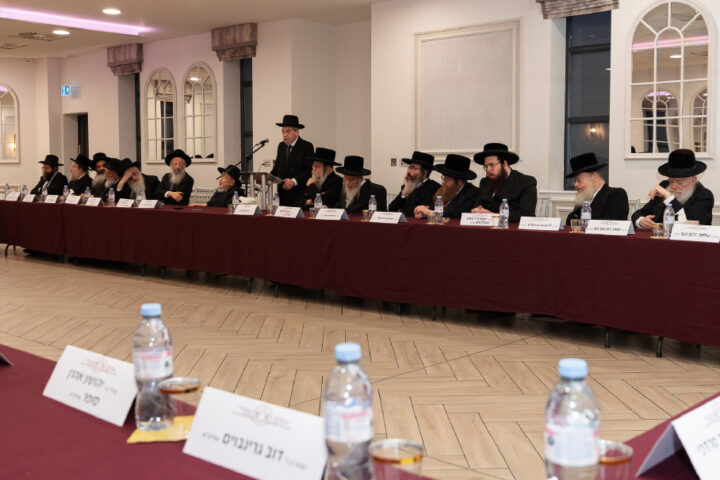
Today the custom of mitzvah tantz is still widespread and has even reached new communities. We caught up with five top international badchanim, who share their experiences and perspectives from the very heart of the Jewish wedding
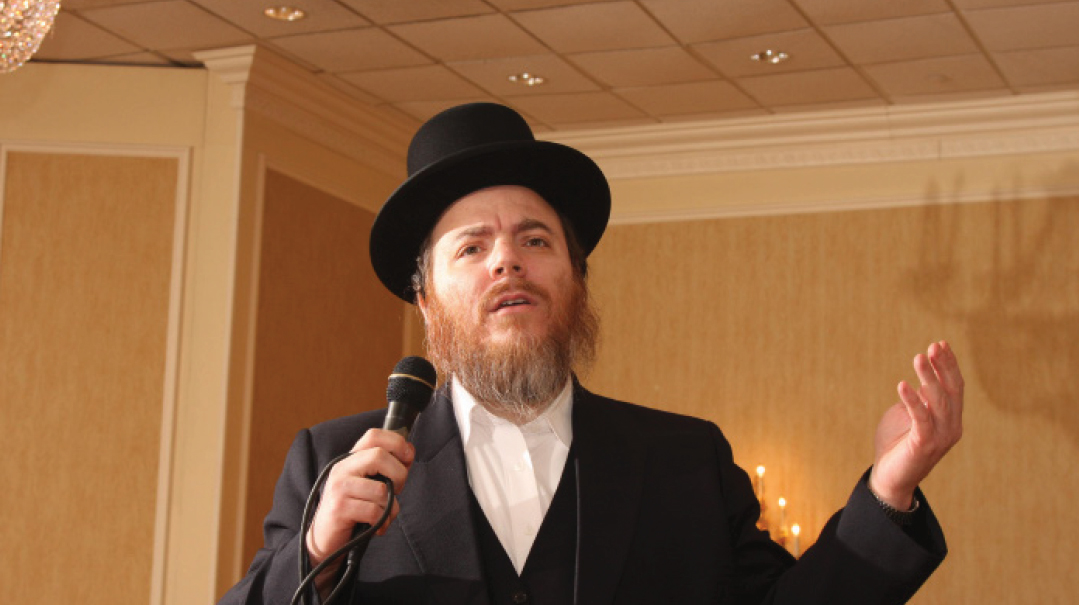
After the last dance winds down and the guests disperse, many families sit down to conclude the wedding with the tradition of mitzvah tantz. With the warmth of lyrical Yiddish blessings sung in a medley of moving tunes and the gentle twirling of a gartel, uncles, grandfathers, brothers, father and father-in-law, and finally the chassan himself dance with the kallah. The badchan sings to open hearts, and as souls of departed ancestors arrive to share the simchah and the relatives reach for Heaven through their feet, the link of the newly built home to previous generations is cemented with dance, song, prayer, and tears.
The roots of this custom are in the Gemara Kesubos which discusses “Keitzad merakdin lifnei hakallah — How to dance before a bride.” The Gemara discusses how various Amoraim used to fulfill the obligation to bring joy to a new couple by praising the bride and by dancing. There is also a custom to bring the chassan and kallah joy with words (“mesamcho b’devarim”). The custom of mitzvah tantz is discussed by the commentaries on the Shulchan Aruch (Even Ha’ezer 21).
The centuries-old chassidic tradition is to fulfill this mitzvah through a badchan, someone who can sing and speak on behalf of everyone. After he sings grammen, invoking divrei Torah, parables, the merits of past generations, and blessings for the young couple’s future, family members take their turn to dance before the kallah. This is done at the end of the wedding, when only family is still present, since it would not be modest for the women of the family, and the kallah herself, to take part while the crowd of guests is still there.
In most communities, a gartel — sometimes a special ornate one — is used for relatives to take their turn dancing before the kallah, who holds the other end while standing still. As well as the close family, rebbes who are present may be honored with a mitzvah tantz. Rebbes have various traditions regarding this — the Sanzer rebbes, for example, dance before the kallah without a gartel.
Create a free account to keep reading.