It’s possible to choose to step back and observe anxiety rather than engage with it
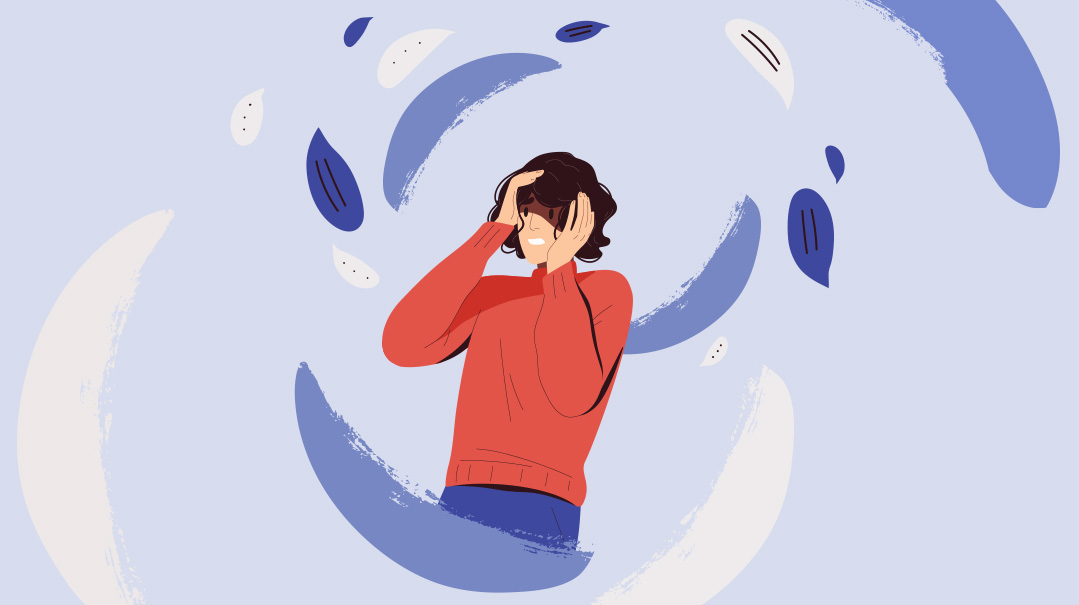
Anxiety has a way of pulling us in. It can be intense, flooding our brains and bodies with fear and worry. Once anxiety has a pull on our inner mindscape, other negative emotions tend to follow fast and furious — jealousy, despair, fear, anger, catastrophic thinking, and self-hatred, to name a few. As our thoughts begin to race, we can start feeling physical symptoms such as a racing heart, pins and needles, dizziness, head and stomach aches.
Even when we’re in the throes of anxiety, it’s possible to choose to step back and observe it rather than engage with it. Stepping back from anxiety isn’t the same as avoiding it, it just allows for some metaphorical distance between yourself and the anxiety-provoking problem. Try these simple steps to observe and calm anxiety.
To hear someone gush: “My spouse is my best friend” may sound heartwarming, like the pinnacle example of praise. But is it? To suggest, even unintentionally, that marriage is or ought to be a kind of friendship negates the intensity of the spiritual and emotional bond shared only between husband and wife. Calling your spouse your BFF may just be shorthand for saying I enjoy spending time with my spouse, we have shared history, lives and dreams, but the expression doesn’t do justice to the full meaning of marriage.
Of course, enjoying spending time with your spouse is important, and if your spouse is who you choose to enjoy everything with, that can be great. But one can still be very connected to their spouse without them being the person they hang out with the most. In fact, research shows that the happiest marriages are not born from friendship, but rather security and attachment. According to Dr. Amir Levine, a psychologist who studies attachment in marriage, the most rewarding marriages have spouses who are consistent, available, responsive, reliable, and predictable.
Create a free account to keep reading.