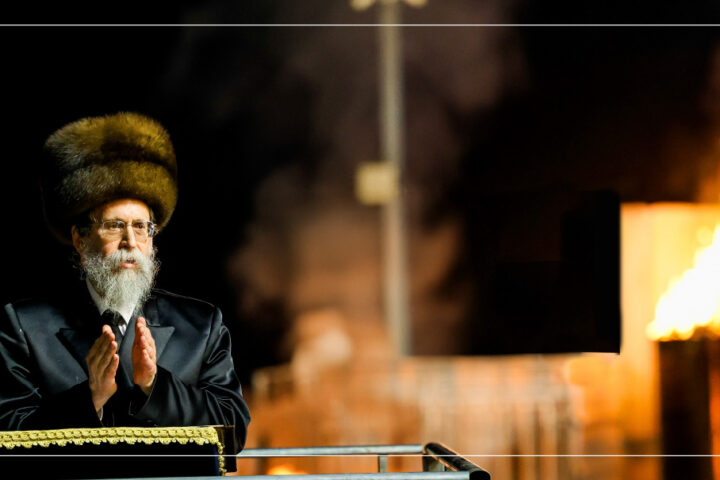
I would tell your child, “There are areas where we disagree, but your rebbi has a lot to offer, and you should hear his perspective”

Initially, a child may respond to a charismatic rebbi or an inspiring rav. But after the dust settles, if his parents have strong values that they convey in a healthy and appropriate way, and they model those values in real life, those will more often than not be the guiding values that the child ends up living with.
So the situation you describe, of a child learning from a rebbi whose hashkafos are not exactly aligned with yours, is not a reason to panic. In fact, it’s an opportunity to educate your child about your values and how they differ. But it’s also a chance to teach your child how to deal respectfully with someone who holds different values, and not to use black-and-white thinking to negate everything the rebbi stands for because of differences on some hashkafos.
Practically, I would tell your child, “There are areas where we disagree, but your rebbi has a lot to offer, and you should hear his perspective. And we can discuss it together, maybe at the Shabbos table or wherever else you want.”
Above all, maintain the great respect and dignity in the relationship between your child and that rebbi. Even if it seems that in the short run your child is being influenced in a way you’re not thrilled with, if you stay the course and communicate the real, substantive values that you live your life by, those lessons will ultimately stay with your child.
Create a free account to keep reading.