I’m not happy with the boy my daughter’s dating. Should I end the shidduch?
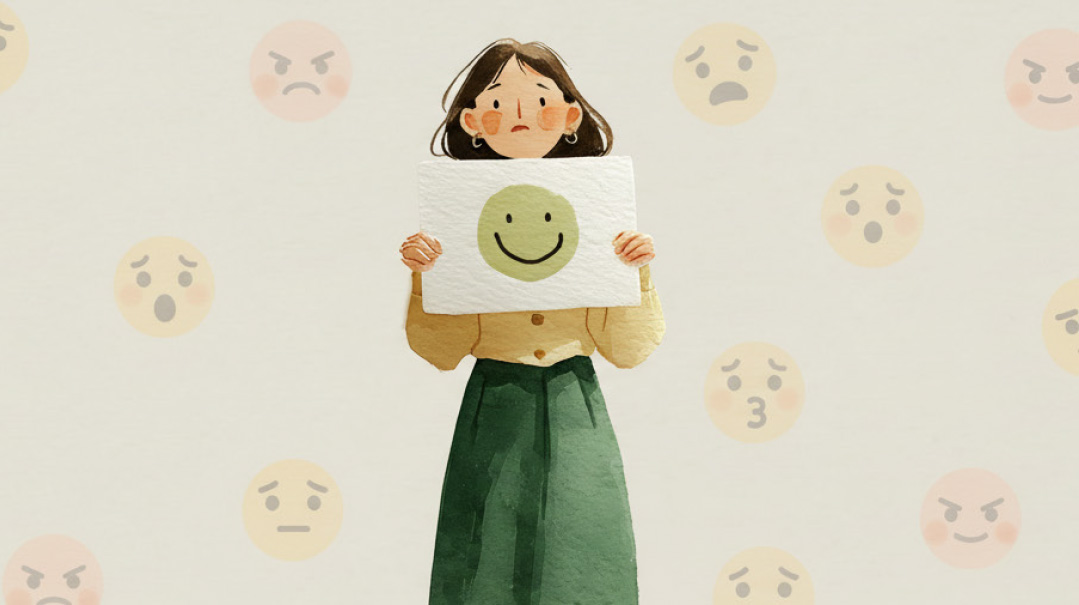
The question I have is: Are you trying to save your daughter or are you trying to save yourself? Parenting is, after all, a very emotionally challenging profession. Parents desperately want to see their children living successful and happy lives, and they suffer deep pain when their children are struggling. You’re already suffering anticipatory agony as you foresee the pain that you’re sure your daughter will experience if she moves forward with this shidduch.
You can end the pain you’re now in by ending the shidduch — but this is your pain. Your daughter, as you note above, isn’t in pain. In fact, she seems perfectly happy. This is why I’m questioning who you’re trying to save.
Here’s an unfortunate fact: You actually can’t prevent your child’s unhappiness nor can you ensure her happiness! In fact, there’s not much we can do about the happiness of other people at all, whether it be the happiness of our spouse, our adult child, our friend, or anyone else. This is because happiness is an extremely personal project. Hashem has granted each person the power, freedom, and responsibility for achieving his or her own serenity no matter what external circumstances Hashem creates. As part of this power, freedom, and responsibility, Hashem allows each person to choose their marriage partner.
Over the course of my career, I’ve met a number of adults who were “protected” by their parents from making the error of selecting the wrong spouse; the parents ended the child’s shidduch. In all of these cases, these bitter young men and women blamed their parents for robbing them of the opportunity for happiness. Either they never married after their parents forbade the union they were pursuing, or they married “the wrong person.” Either way, they claim that their suffering was their parents’ fault. Instead of having the opportunity to struggle through the marriage of their choice, they were robbed both of the struggle and of their choice. This made “blamers” of them all. Even the parents sometimes blamed themselves.
Create a free account to keep reading.