"In general, we bend over backward to make sure the reader is getting the full value he purchased the magazine for, because there is only one consideration: you, the reader"
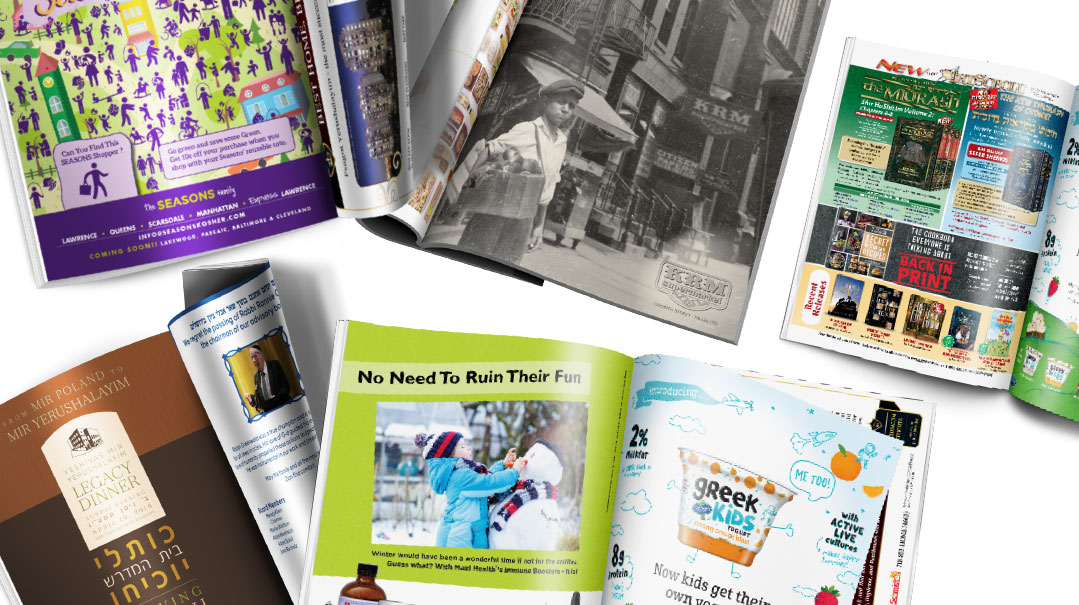
Until then there was the Jewish Observer, plus several short-lived magazines. There were also reliable frum newspapers. But there was no glossy weekly magazine filled with suitable reading material. Before there was Mishpacha, many people — even in very frum homes — bought Reader’s Digest. Even well-known yeshivos let their talmidim read certain publications, such as U.S. News & World Report. And of course, every businessman bought a newspaper to read during the morning train ride. Although we had no TV — and Internet and smartphones were in their infancy — we were exposed to the culture of the society around us through these publications.
Fast-forward 15 years, to today’s frum world. My children have never seen a secular magazine in their home, and we can be truly proud that this has become the norm. In fact, yesterday I related something I remembered from Reader’s Digest from years ago, and I had to explain what it was even to my married children, who had never heard of it. Everyone is busy critiquing nuances of hashkafah from our excellent writers, and rightfully so, because hashkafah is paramount. But don’t forget the influences that dominated our reading just a short time ago, and how much worse the secular media is today. That holds true for both content and advertising.
Mishpacha started in Israel, where it achieved widespread acceptance. While the English Mishpacha became an overnight success, here in America, there still weren’t many frum companies that could provide quality advertising in color to match the quality of the magazine. I used to look at the Hebrew issues and wonder how long it would take for American companies to develop advertising at that level of sophistication.
I got my own start in marketing and advertising at Yeshiva Sh’or Yoshuv. I had been a rebbi and menahel for many years at a high school and at the yeshivah. To help balance the budget of the yeshivah, which was started for boys who needed extra motivation, I developed Chol Hamoed Events. com, a company that did large-scale buyouts of tickets to amusement parks, concerts, and circuses. This introduced me to marketing and advertising. The main vehicle to get the word out at that time was wall posters. I once received a few hundred violations from the New York City Sanitation Department — one for each poster we hung throughout Boro Park and Flatbush.
Create a free account to keep reading.