How various culinary salts interact with your food and your body
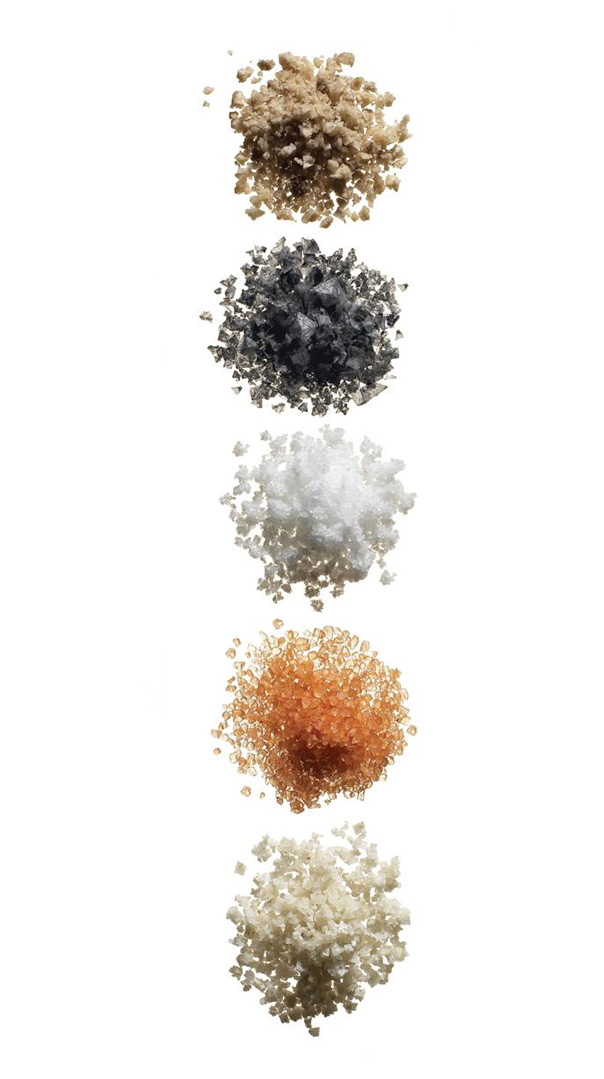
In my home, we cook most foods with little or no salt, and look for products that have the lowest sodium content. I get nagged about my avoidance of salt by my foodie friends, and I tell them that at any age people should limit their sodium intake to keep their bodies healthy
What’s so bad about salt? they ask. Salt makes our bodies retain water, I say, which puts an extra load on our hearts and cell walls, can raise blood pressure and lead to heart attacks, strokes, and other serious health issues. Right, they say, so when we’re diagnosed with high blood pressure, we’ll limit the salt. Why should we change now?
This article is my response, and I’m making the convo public. I’ll start with the origins of salt, move briefly through the health pros and cons, and introduce you to some cool gourmet salts and how to use them.
Salt comes from salt mines or evaporated sea water, and is made up of two main minerals — sodium and chloride. Sea salts and colored salts contain extra minerals not found in table salt, such as potassium, magnesium, and calcium, but in trace amounts that don’t add up to much nutritionally. Salt helps to bring out the flavor in food, acts as a binder and stabilizer, and preserves freshness. Our bodies also require sodium to control nerve impulses, use our muscles, and maintain proper water and mineral balance.
Create a free account to keep reading.