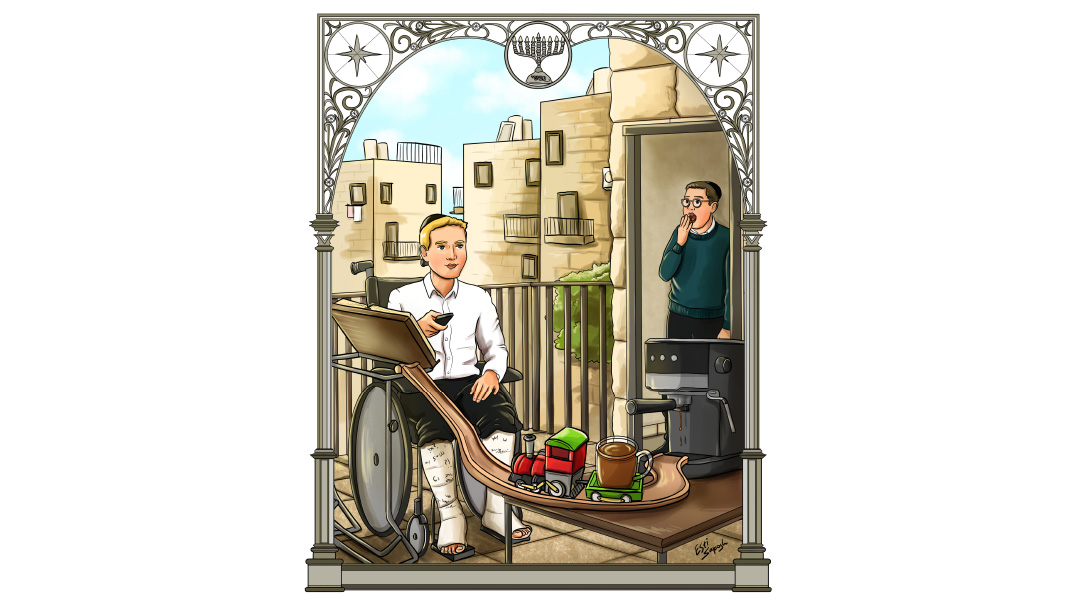
While Jews were banned from the Temple Mount for centuries, there are both legends and credible accounts of those who defied the rule
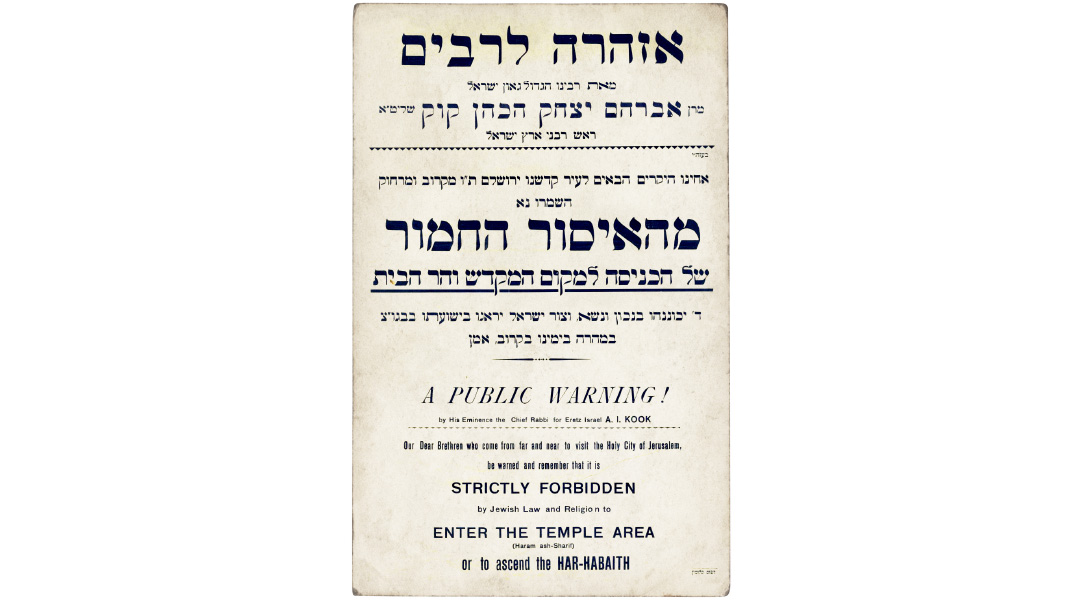
For centuries following the 1517 Ottoman conquest of Jerusalem, the sultans forbade non-Muslims entry to Har Habayis. Evidence suggests the Ottomans went so far as to ban the small Jewish population from as much as even viewing the holiest of sites, and those caught doing so were punished.
In 1839, the Ottoman government promulgated sweeping reforms throughout the empire known as the Tanzimat. These social, economic, and political reforms modernized banking and the military, and granted more civil liberties to the general populace and equal rights to non-Muslims. Tanzimat granted non-Muslims the right to ascend al-Haram al-Sharif (the Arabic term for the Temple Mount), and several prominent Christians made the pilgrimage.
The growing Jewish population followed the ruling of Rav Yisrael of Shklov, who held that Jews were permitted to enter the Temple Mount only in certain areas —the exact locations of which were in dispute, effectively barring any ascent. There were, however, some notable exceptions.
On an 1855 visit to Jerusalem, Sir Moses and Lady Judith Montefiore joined British consul James Finn on a visit to the Temple Mount. Montefiore was carried across the site by Muslims in a sedan chair, which he felt alleviated the issue of setting foot on the Temple Mount. Though the Muslim authorities didn’t express any opposition, the rabbinical leaders of the Old Yishuv protested the act as a contravention of halachah. This brought the halachic issue of Jews visiting Har Habayis to the forefront of history.
Create a free account to keep reading.